A child spots a tiny insect crossing the porch and asks, “Where is it going?” That small question is a wonderful place for fiction versus nonfiction science to meet. One kind of book can invite a child to imagine the insect’s busy day. Another can help them learn what the insect eats, how it moves, and why it belongs in the garden.
For young children, science is not a subject that begins with a worksheet. It begins with noticing: a butterfly resting on a flower, an ant carrying a crumb, a spider web shining after rain. Stories and facts both help children make sense of these moments, but they do different jobs. Knowing when to choose each one, and when to enjoy both together, can make reading time a joyful learning adventure.
What Is Fiction and Nonfiction Science?
Fiction is a made-up story. It may include talking animals, imaginative journeys, playful dialogue, or a character who feels nervous, brave, curious, or excited. A fictional story about a ladybug might show her searching for a cozy leaf before a storm. The events are created by the author, even when they are inspired by real nature.
Nonfiction shares information about the real world. A nonfiction science book about ladybugs may explain that they are beetles, describe their life cycle, or show what they eat. Its purpose is to help children understand what is true and observable.
The distinction matters, but it does not need to feel serious or complicated. Parents and educators can simply say, “This story is pretend, but ladybugs are real. Let’s see what we can find out about them.” That gentle sentence teaches children that imagination and evidence can sit side by side.
Fiction Versus Nonfiction Science: Why Children Need Both
A good story gives facts a feeling. When a child follows a character through tall grass or under a leafy branch, they can picture a small creature’s habitat and begin to care about what happens there. Fiction builds empathy, language, and attention. It gives children a reason to linger with an idea.
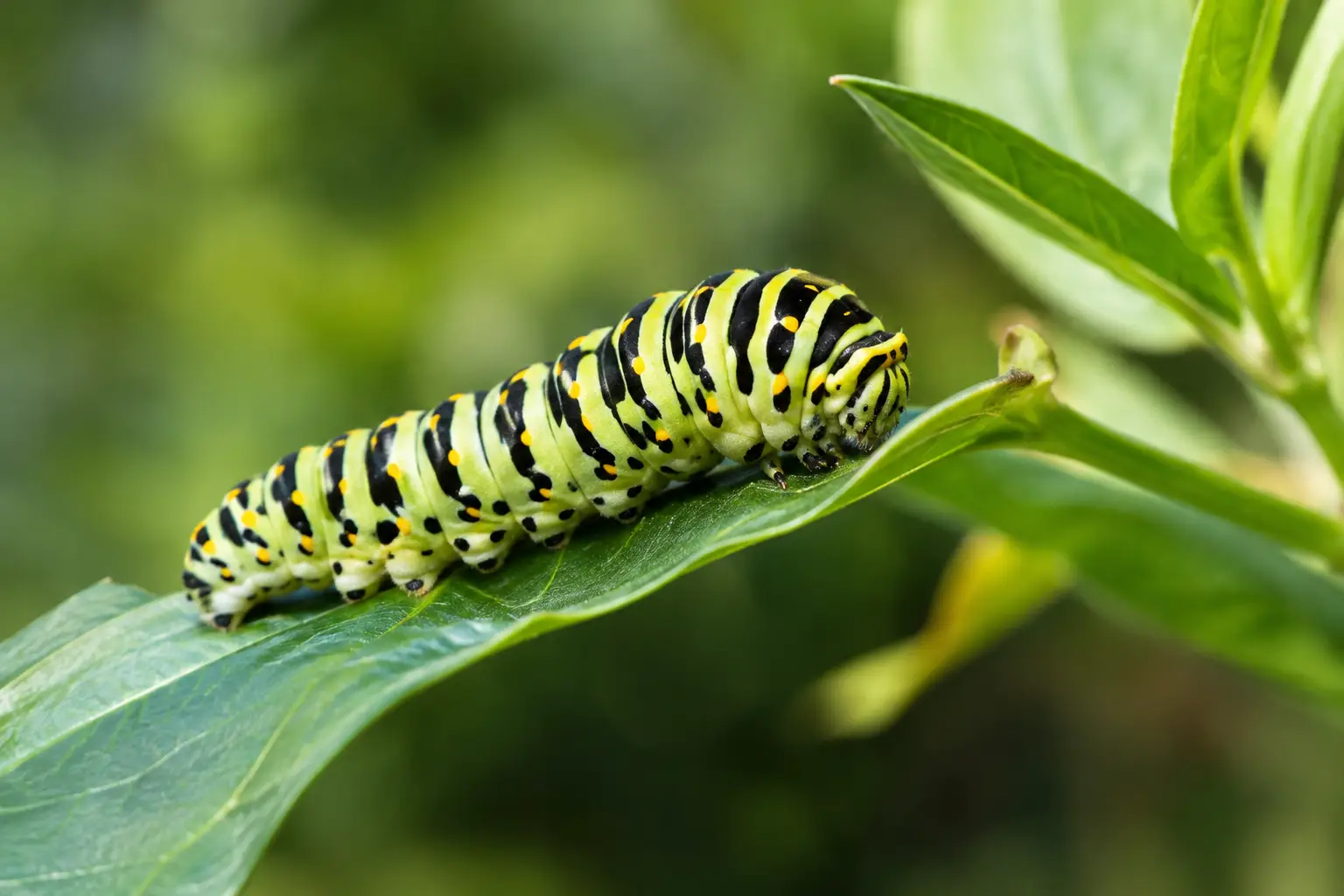
Nonfiction gives that curiosity somewhere to go. After enjoying a story about a caterpillar, a child may want to know, “Does it really sleep in a cocoon?” A factual book can gently clarify that many caterpillars form a chrysalis, while moth caterpillars often spin cocoons. The question becomes a discovery rather than a correction.
Neither format is automatically better. It depends on the child and the moment. A child who is hesitant about bugs may first need the comfort of a cheerful story. A child who is already fascinated by beetles may be ready for labeled pictures, close-up details, and more specific facts. Reading fiction and nonfiction together helps each child enter science through a doorway that feels welcoming.
Stories make room for wonder
Young children often understand big ideas through play and emotion. A fictional insect character can model curiosity by pausing to inspect a flower or asking a friend for help. Children may recognize their own feelings in that moment: “I was shy about touching a worm too,” or “I wanted to find out where the cricket was singing.”
This is not science disguised as a test. It is an invitation to wonder. The child learns that being curious is something people do, and that asking questions is part of paying attention.
Facts help children notice what is real
Nonfiction encourages careful looking. It can help a child see that a dragonfly has large compound eyes, that ants live in colonies, or that bees visit flowers for nectar and pollen. These details turn an ordinary backyard visit into a small expedition.
A factual book also helps adults answer questions honestly. Sometimes the best answer is, “Let’s look closely and find out together.” Children do not need every answer immediately. They need adults who show that observing, wondering, and checking are worthwhile.
How to Read Both Without Confusing Children
Some caregivers worry that fictional animal stories will teach children inaccurate information. That can happen if pretend details are presented as facts, but the solution is not to avoid imaginative stories. It is to name the difference with kindness.
Before reading a fictional nature story, try saying, “This author imagined what this creature might say or do.” Afterward, ask, “Which parts could happen in real life? Which parts were playful pretend?” There is no need to turn the conversation into a quiz. A few warm questions are enough.
When reading nonfiction, enjoy the pictures and facts slowly. Point to a detail that surprises you. “Look at those grasshopper legs. Do you think they help it jump?” Then invite children to look outside. Even if you do not find a grasshopper, the search itself strengthens the connection between page and place.
If a book blends story and facts, that can be especially useful for beginning readers. Character-led science stories, such as the outdoor adventures in the Abel & Ruth Children’s Discovery Series, offer a friendly bridge: children can follow a warm narrative and then carry their questions into real-world observation.
A Simple Read, Notice, Create Rhythm
You do not need special equipment to bring fiction and nonfiction science into family life. A book, a window, and a few minutes outdoors are plenty. Try a simple rhythm: read a story, notice something in nature, then create a response.
After a story about bees, step outside and listen for a gentle buzz near safe flowering plants. Read a nonfiction page about what bees need, then draw a flower garden with plenty of color. After learning about spiders, look for a web from a respectful distance and make a paper web with yarn. The goal is not to produce a perfect craft or memorize every term. It is to help an idea stay with the child.
This rhythm works beautifully in classrooms, daycares, and homeschool settings too. It gives children different ways to participate. One child may love retelling the story. Another may prefer studying a picture. A third may want to act out the flutter of a butterfly or the hop of a grasshopper. All are meaningful ways of learning.
Choosing the Right Book for the Moment
For preschoolers and young beginning readers, look for books with clear illustrations, simple language, and one central idea. A book about a praying mantis does not need to explain every part of an insect’s anatomy to spark genuine interest. One memorable observation, such as how the mantis holds its front legs, may be exactly right.
As children grow, nonfiction can offer more vocabulary and detail. Words like habitat, camouflage, larva, and pollination become more meaningful when children have already seen the ideas in pictures, stories, or the backyard. Let their questions guide the level of information.
It also helps to choose books that treat small creatures with respect. Children learn from the way adults speak about mosquitoes, houseflies, spiders, and wasps. We can acknowledge that some insects are annoying or that some should be observed from a safe distance, while still teaching that each creature has a place in nature.
Let Questions Lead the Way
The best part of fiction versus nonfiction science is what happens after the last page. A child may carry a question to the dinner table, the park, or the garden: Why do fireflies glow? Where do butterflies go when it rains? Can insects hear us?
You do not have to rush toward a polished answer. Pause, look, draw, read again, and wonder together. When children learn that stories can spark questions and facts can help explore them, the world outside begins to feel full of friendly mysteries waiting to be noticed.