A butterfly resting on a flower may look as if it belongs to one small patch of garden. Then a child asks a marvelous question: do butterflies migrate? Some really do. They travel farther than many people would expect, crossing forests, fields, neighborhoods, and even national borders in search of safer weather and food.
Migration is one of nature’s most surprising stories because the travelers are so delicate. A butterfly’s wings are thin and light, yet some species follow routes hundreds or thousands of miles long. Watching for these tiny travelers can turn an ordinary walk outside into a joyful family discovery.
Do Butterflies Migrate, or Just Fly Away?
Not every butterfly migrates. Many spend their whole lives close to the places where they hatched, finding nectar, laying eggs, and sheltering in the same general area. Others move only when food is scarce or weather becomes difficult.
A true migration is more than a few butterflies drifting to a new flower patch. It is a regular seasonal journey made by a population of butterflies. They move from one region to another and, in some way, the next generation continues the pattern. This is where the story becomes especially amazing: a butterfly that begins a long journey may not be the same butterfly that returns.
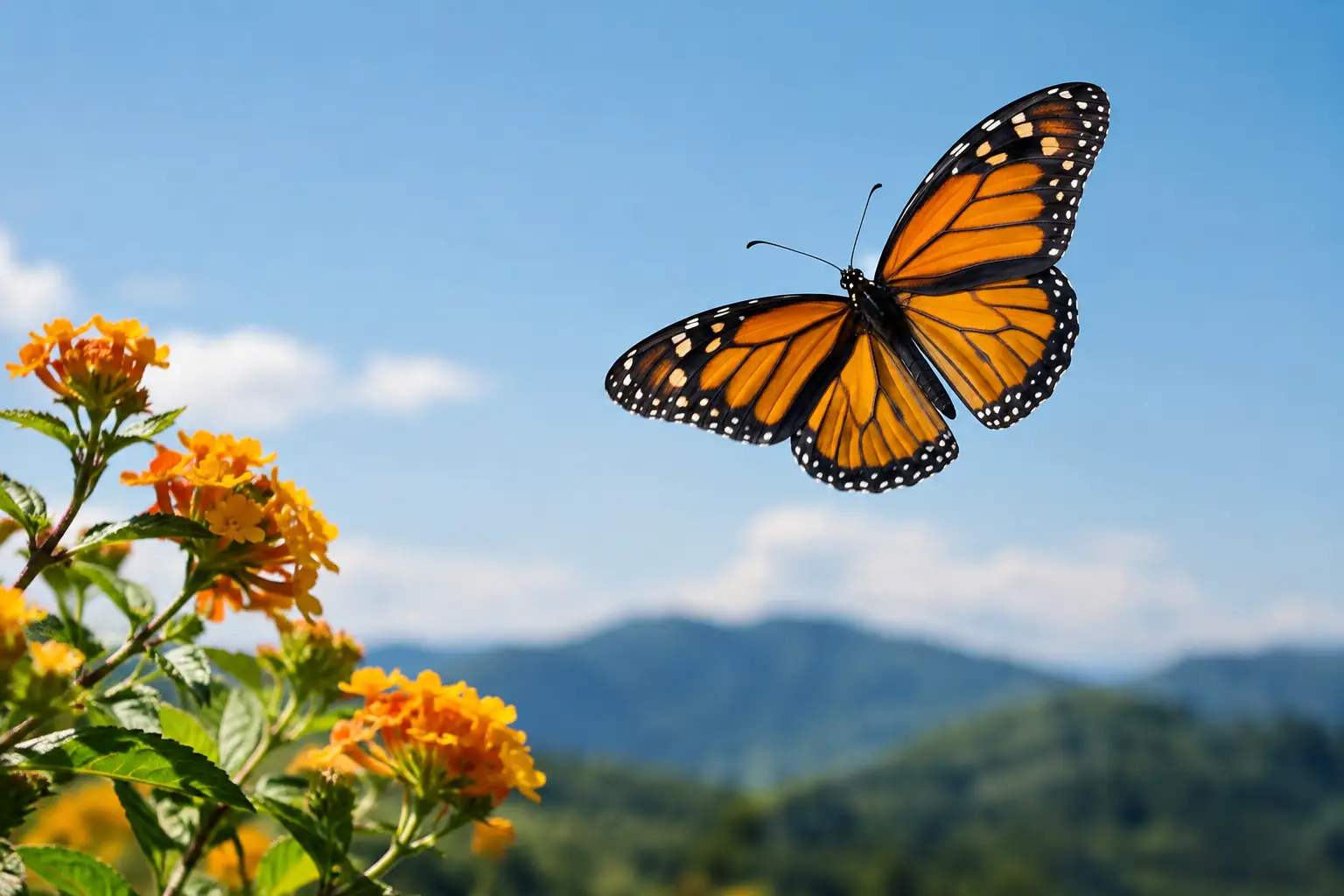
The best-known butterfly migrant in North America is the monarch. In late summer and fall, many monarchs from the United States and southern Canada begin traveling south. Large numbers from east of the Rocky Mountains head toward mountain forests in central Mexico. Many western monarchs travel toward coastal California, though their routes and winter locations can vary.
A monarch’s journey can be much longer than its tiny body seems built to manage. Unlike the short-lived summer generations, the fall monarch generation can live for several months. These butterflies delay reproduction, conserve energy, and travel when conditions are favorable.
A Journey Shared Across Generations
Here is a detail children often love: the monarchs returning north in spring are usually not the same ones that flew south the previous fall.
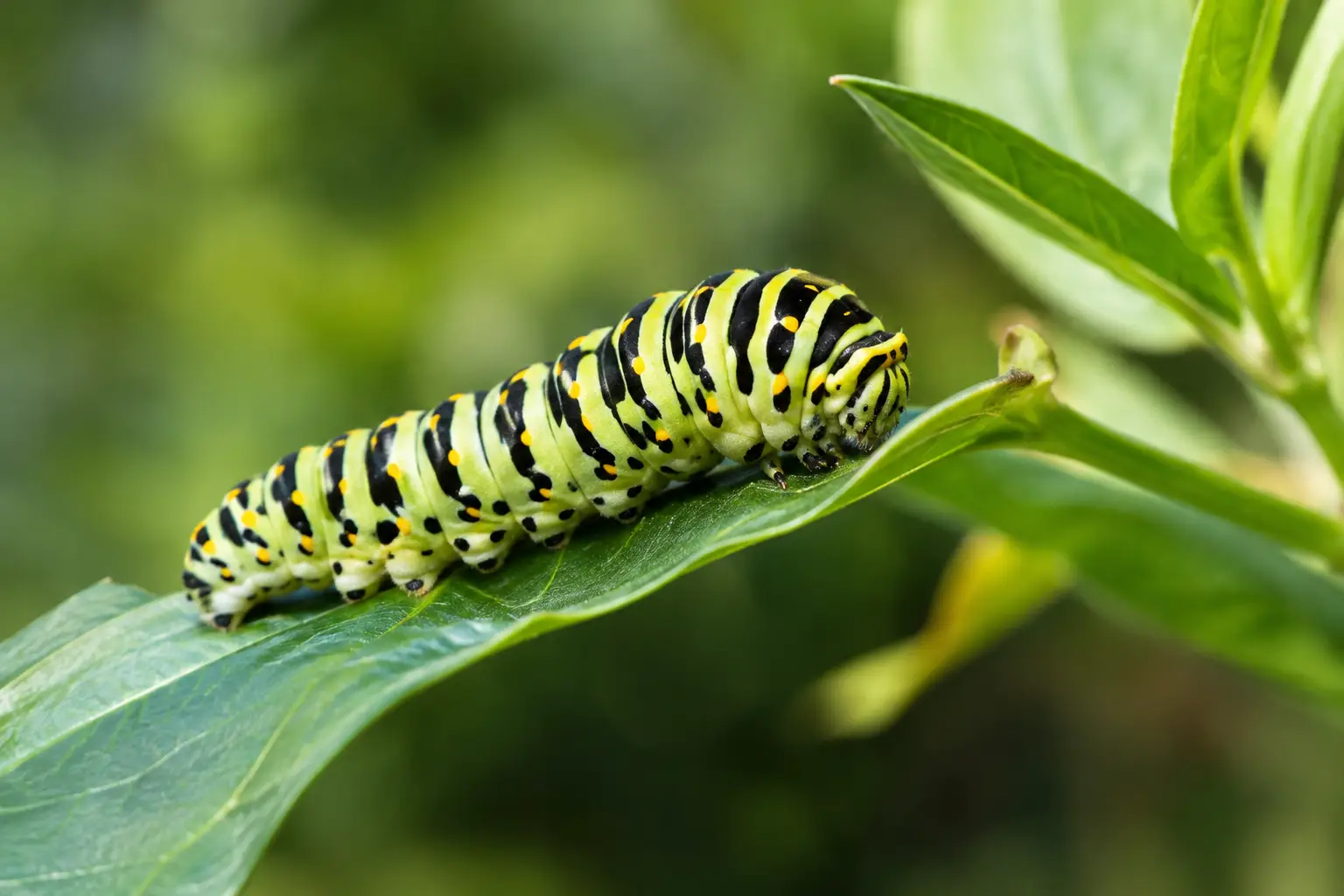
After spending winter in sheltered places, monarchs begin moving north and lay eggs along the way. Their caterpillars grow, form chrysalises, and become new adult butterflies. Those adults continue northward, and later generations carry the journey farther. By summer, monarchs may again be found in gardens, meadows, and fields across a wide part of North America.
So when a child spots a monarch on a milkweed plant, they may be seeing one small part of a family journey that has continued through several generations. No butterfly parent gives its child a paper map. Yet the path continues, guided by instincts shaped over countless seasons.
Scientists are still learning exactly how monarchs navigate. They appear to use the sun as a compass, along with an internal body clock that helps them adjust as the sun moves across the sky. Wind, temperature, landscapes, and perhaps Earth’s magnetic field may also play a role. Nature does not give up all its secrets at once, and that is part of the wonder.
Other Butterflies That Travel
Monarchs get much of the attention, but they are not the only traveling butterflies. Painted ladies are famous for wide-ranging movements. Some painted ladies travel through North America in changing waves, following warm weather and blooming plants. In some years, families may notice many more than usual fluttering through a yard or school garden.
Red admirals can also move seasonally. Their dark wings, marked with bright reddish-orange bands, make them easier to recognize when they pause on a sunny path, fence, or tree trunk. Gulf fritillaries and cloudless sulphurs may travel northward as warm weather arrives, especially in southern and coastal regions.
These journeys do not always look like the monarch migration. A species may spread north in spring, then disappear from colder areas after frost. Some butterflies cannot survive freezing winters in every life stage, so moving helps them follow warmth and the plants their caterpillars need.
Why Butterflies Need to Move
Butterflies migrate because their needs change with the seasons. Adult butterflies need nectar from flowers for energy. Caterpillars need particular host plants to eat. Monarch caterpillars, for example, need milkweed. A garden can be filled with beautiful flowers, but without the right plant for a caterpillar, it may not be a place where that butterfly can raise young.
Cold weather matters, too. Most butterflies cannot simply stay active through a snowy northern winter. Different species survive difficult seasons in different ways. Some spend winter as eggs, caterpillars, chrysalises, or adult butterflies hidden in protected places. Others migrate to regions where the weather is gentler.
Migration is not easy or guaranteed. A butterfly may face storms, strong winds, habitat loss, traffic, hungry birds, and long stretches without flowers. A warm, still day with plenty of nectar can make travel easier. A sudden cold snap or drought can make it much harder. That is why one small patch of blooming native plants can matter more than it first appears.
How Families Can Notice Butterfly Migration
You do not need binoculars, a science lab, or a faraway trip to observe migration. Begin with a slow look outdoors. In late summer and fall, notice whether butterflies seem to be moving steadily in one direction rather than circling around one flower bed. A monarch gliding southward, stopping briefly for nectar, may be on a very long journey.
Invite children to look for a few simple clues. What color are the wings? Is the butterfly sipping from a flower, basking in the sun, or floating above the garden? Is it alone, or are several passing through? A notebook can become a family butterfly journal. Add the date, weather, place, and a child’s drawing. There is no need to identify every visitor perfectly. Careful noticing is a wonderful first step in learning.
If you want to make butterfly watching part of a screen-free afternoon, try this gentle routine:
- Sit quietly near flowers for ten minutes and count butterfly visits.
- Draw one butterfly from memory, then look again and add the details you missed.
- Notice which flowers offer nectar and which leaves may feed caterpillars.
- Write a tiny travel story: Where might this butterfly have come from, and where might it go next?
For younger children, even one question can open the adventure: “Do you think that butterfly is resting, eating, or traveling?” There is room for imagination, followed by a closer look together.
A Kinder Welcome for Traveling Butterflies
Families can help butterflies by making outdoor spaces friendlier, whether that space is a large yard, a school garden, a balcony container, or a few pots near a sunny window. Choose a variety of regionally appropriate native plants when possible. Different flowers bloom at different times, so a mix can offer nectar during spring, summer, and fall.
Include host plants as well as nectar flowers. This is an important difference. Nectar helps adult butterflies refuel, while host plants feed caterpillars. Leaves with little bites in them are not a sign that a garden has failed. They may be a sign that it is becoming a nursery for new butterflies.
Avoid spraying pesticides where butterflies, caterpillars, and other pollinators live. Even products meant for garden pests can harm helpful insects. A few chewed leaves are usually a small trade for the chance to watch a caterpillar grow.
It also helps to leave some natural shelter. A corner with fallen leaves, stems, and tucked-away spaces may look less tidy than a perfectly cleared bed, but it can support insects through changing weather. The goal is not to create a flawless butterfly garden. It is to create a welcoming one.
Let the Question Lead the Adventure
A migrating butterfly is a lovely reminder that small creatures can do extraordinary things. It can also help children see their own backyard differently. The orange-and-black visitor on a late-blooming flower may be resting before a journey that stretches far beyond the fence.
At Abel & Ruth Children’s Discovery Series, we love questions that begin outdoors and continue through stories, drawings, and shared conversation. The next time a butterfly flutters past, pause together. Notice its wings, wish it a safe journey, and let that little traveler carry your family’s curiosity into the garden.