A child spots a ladybug climbing a dandelion stem and asks, “Where is it going?” That small question can become much more than a quick answer. When you know how to use story science, you can turn a moment of noticing into a shared adventure of imagination, observation, language, and early discovery.
Story science does not require a lab coat, a perfect lesson plan, or a long list of facts to memorize. It begins with something children already do beautifully: wonder. A story gives that wonder a friendly path to follow, while real-world observation helps children connect the adventure on the page to the living world outside.
What Story Science Looks Like
Story science brings together a simple nature idea and a meaningful story. Rather than beginning with, “Here are the parts of an insect,” it might begin with a character who notices a tiny beetle beneath a leaf. The child follows the character’s curiosity, then starts noticing the same details in the backyard, on a walk, or near a classroom window.
The story creates an emotional connection. Children care about what happens next, who is exploring, and what surprises may appear. Science adds careful looking and gentle questions: How many legs can we see? Why might the insect be hiding? What colors do we notice? Together, these pieces help information feel memorable because it is attached to an experience.
For young learners, this approach works especially well with nature topics that are close at hand. Ants, butterflies, crickets, bees, spiders, leaves, clouds, and puddles all offer opportunities to look closely without making learning feel formal.
How to Use Story Science in Four Gentle Steps
A good story science moment can be as short as ten minutes or stretch across a whole afternoon. The pace depends on your child, the weather, and whether that fascinating caterpillar is still nearby.
- Begin with a story or a story-shaped question. Read a picture book about a creature your child may see outdoors, or make up a tiny opening together: “Abel and Ruth heard a soft buzzing near the flowers. Who could it be?” A familiar character can make an unfamiliar creature feel less intimidating.
- Go looking, without needing to find the exact answer. Step outside, look through a window, or explore a potted plant. You may not find a bumblebee after reading about bumblebees, and that is perfectly fine. Perhaps you notice a feather, an ant trail, or a leaf with tiny holes instead. Follow what is truly there.
- Pause for noticing questions. Keep questions open enough that children can observe before they explain. Try, “What do you notice first?” “What do you think it is doing?” or “What might it need in this place?” If you do not know an answer, you can say, “Let’s wonder about that together.”
- Carry the discovery into play. Draw the creature, act out how it moves, write a two-line poem, make a paper habitat, or sing a made-up buzzing song. This is not extra work added after learning. It is part of how young children think through what they have seen.
The goal is not to cover every fact in one sitting. A child who remembers that a dragonfly zipped over the water, then draws its big eyes and long wings, is building a foundation for later learning.
Let the Story Lead, but Let Nature Correct It
Stories often give animals voices, feelings, and playful adventures. That imagination is valuable. It helps children care. At the same time, story science gives adults a lovely chance to separate pretend play from real observation.
You might say, “In our story, the ant was planning a picnic. That was fun to imagine. Real ants do look for food, though. What do you think this ant is carrying?” This small distinction protects scientific thinking without taking away the magic.
It also helps to use gentle, accurate language when a child makes a guess. Instead of saying, “No, that’s wrong,” try, “That is an interesting idea. Let’s look again.” A butterfly may look like it is resting, but it may also be warming its wings. A spider is not an insect, even if both creatures have many legs. There is room for wonder, corrections, and more questions all at once.
Choose One Small Idea at a Time
Early science becomes easier to enjoy when the idea is small and visible. After a story about bees, you do not need to explain pollination, hives, life cycles, and every kind of bee in a single afternoon. You might simply notice that a bee visits one flower, then another, carrying pollen as it moves.
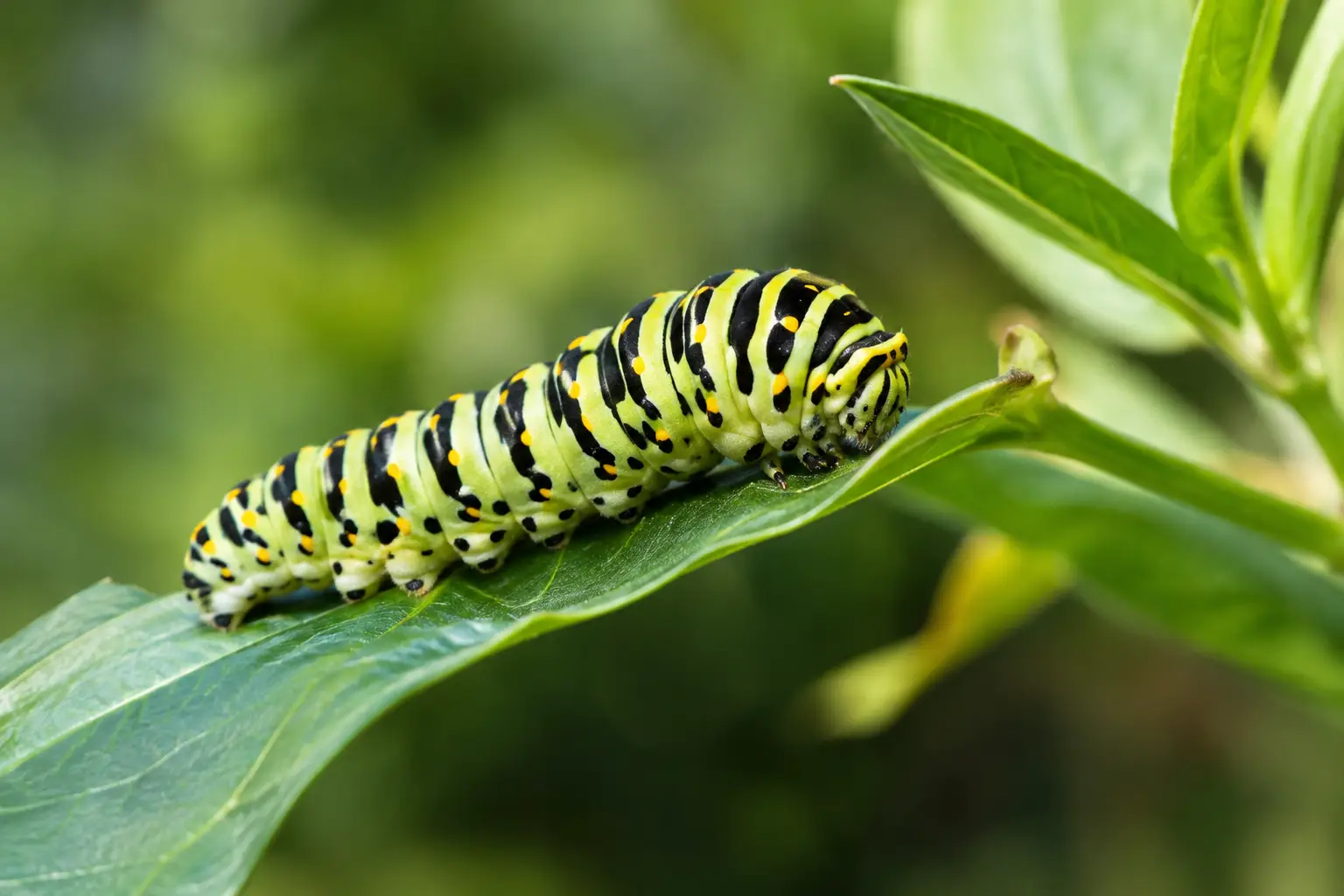
After a story about caterpillars, the focus could be movement: How does a caterpillar travel along a leaf? With ants, it could be teamwork or trails. With fireflies, it could be light in the evening sky. Repeating one simple idea in stories, conversation, art, and outdoor play helps it settle naturally into a child’s memory.
Children at different ages will take different things from the same experience. A preschooler may enjoy counting a ladybug’s spots or pretending to crawl through grass. An older beginning reader may want to compare wings, sketch observations, or ask why insects have certain body parts. Neither response is more valuable. Story science meets children where their curiosity happens to be.
Make Room for the Child’s Version of the Story
A nature story becomes even more powerful when children can help tell it. After reading, invite them to decide what happens next. Where will the cricket go after the rain? What will the praying mantis notice from its leafy perch? What might a moth see near the porch light?
Then return to what is real. If a child says a grasshopper is jumping to visit its friends, enjoy the idea. You can add, “Grasshoppers really do use those strong back legs to jump away quickly.” This rhythm of imagination followed by observation is where story science shines.
Drawing is especially helpful here because it slows children down. A quick picture of an insect can reveal what they noticed: stripes, legs, antennae, a shiny shell, or a favorite flower nearby. There is no need for the drawing to look realistic. Ask them to tell you about it, and listen for the details they chose to include.
Create a Repeatable Nature Basket
You do not need special equipment, but a small basket or tote can make spontaneous discovery feel inviting. Include plain paper, crayons or colored pencils, a clipboard, child-safe binoculars if you have them, and a magnifying viewer for looking without touching delicate creatures.
A few simple agreements make outdoor exploration kinder and safer: look gently, leave living creatures in their homes, wash hands after exploring, and ask an adult before touching anything unfamiliar. If a child is uneasy around bugs, start at a comfortable distance. Watching a spider from the porch step or observing ants through a window still counts as real discovery.
Children’s Discovery Series stories featuring Abel and Ruth can offer a cheerful starting point, especially when paired with a puzzle, coloring page, poem, or song after reading. The best follow-up activity is not always the most elaborate one. Often, it is the one your child wants to do again tomorrow.
When Story Science Does Not Go as Planned
Sometimes the wind is too strong, the child is tired, or the only creature you find is a mosquito buzzing at the door. That does not mean the activity failed. Story science is not a performance, and children do not need to produce a correct observation on command.
If outdoor time is not possible, place a leaf, pinecone, feather, or flower petal on a table and make it the center of a tiny story. Notice its shape, texture, lines, and colors. Or reread a favorite page and ask what the characters might notice on a different day.
There is also a trade-off between adding facts and preserving a child’s attention. When interest is high, offer one more detail. When attention drifts, stop while the experience still feels warm. Curiosity grows best when it has room to return.
The next time a child pauses beside a trail, points to a fluttering wing, or whispers, “What is that?” you do not need a perfect answer. Stand close, look carefully, and let the question become the beginning of a new little story.