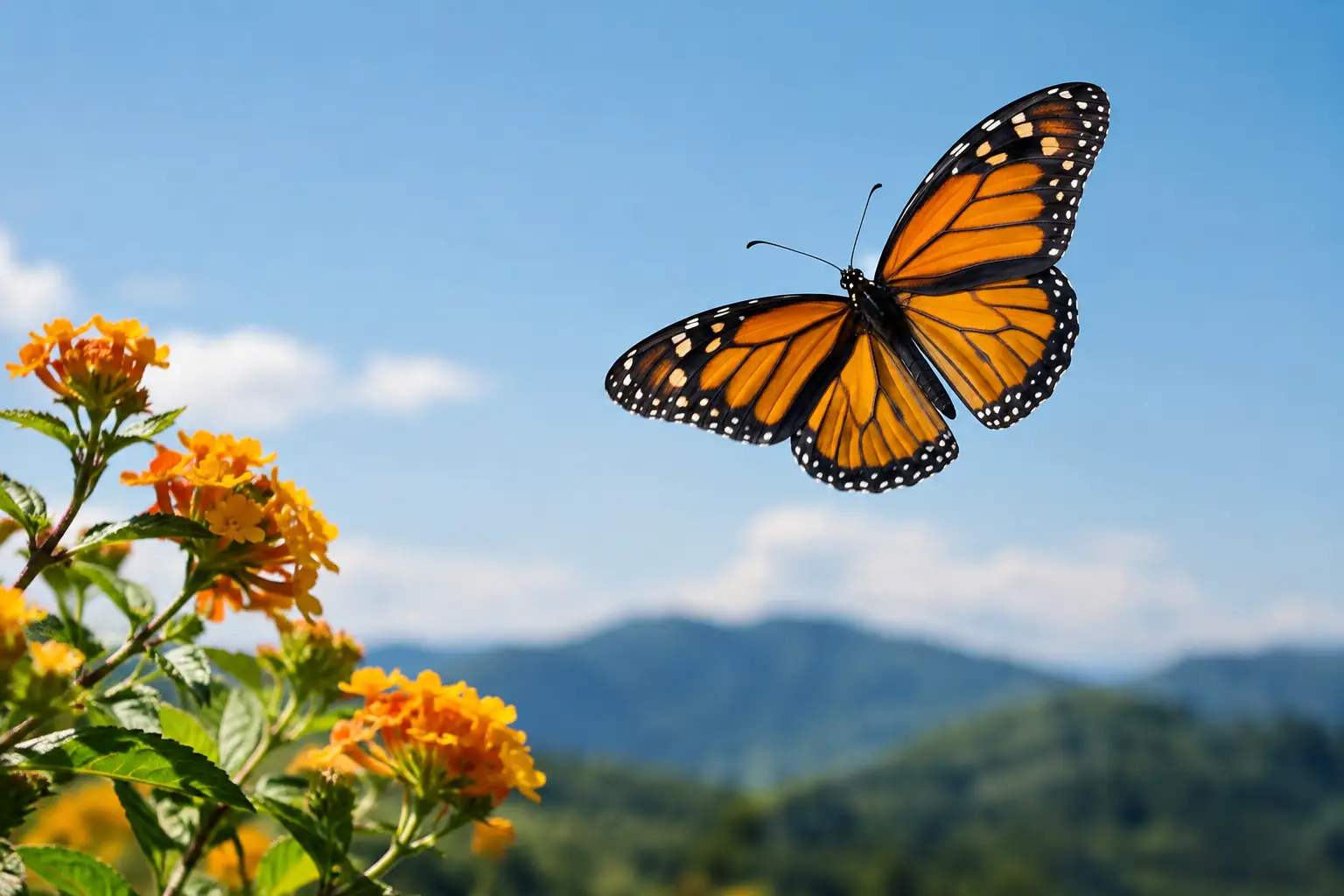
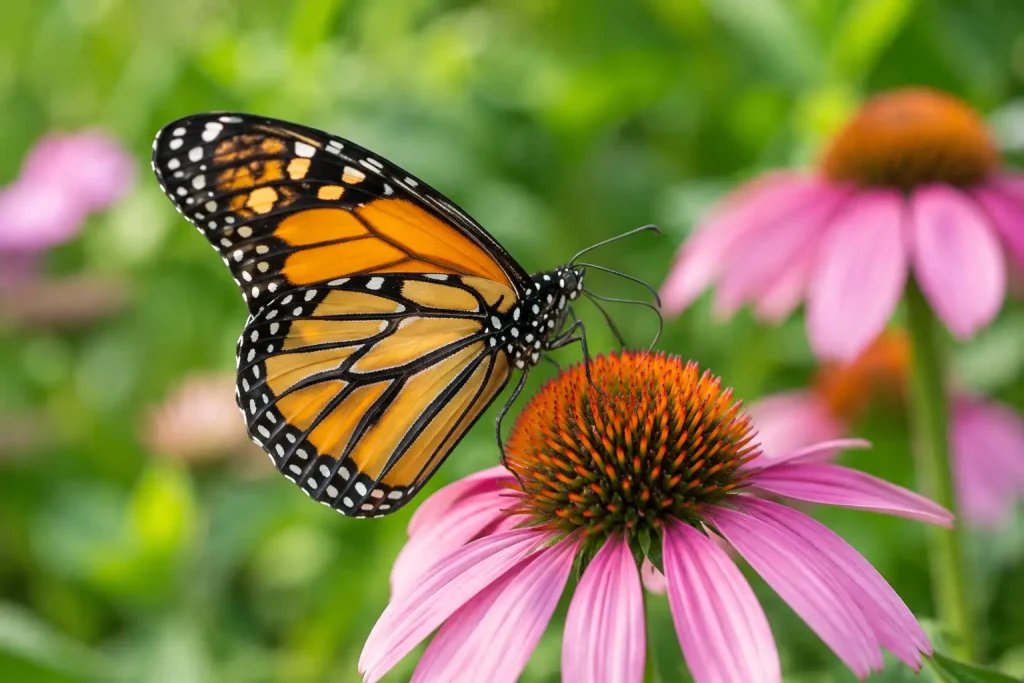
A butterfly resting on a bright flower may look as if it is simply enjoying the sunshine. But if your child watches closely, they may see a tiny, curling straw reach into the bloom. What do butterflies eat? Most adult butterflies drink sweet flower nectar, but their meals can be surprisingly varied – and every meal tells a small story about where they live.
For young nature explorers, this is a lovely question to carry outside. It invites children to slow down, notice colors and shapes, and wonder what a butterfly might be searching for next.
What Do Butterflies Eat as Adults?
Adult butterflies mostly drink liquids. They do not have teeth for chewing leaves, seeds, or crunchy crumbs. Instead, they have a long tube called a proboscis. When a butterfly is resting, the proboscis stays curled beneath its head like a little party blower. When it finds something to drink, it unrolls the tube and sips.
Nectar is the best-known butterfly food. Flowers make this sweet liquid deep inside their blossoms. Nectar gives butterflies energy for flying, finding mates, laying eggs, and traveling from place to place. As a butterfly moves between flowers, pollen may cling to its body and travel along with it. That makes butterflies helpful pollinators, even though bees usually do more of this work.
Butterflies do not all visit the same flowers. Their choices depend on the butterfly species, the season, and what grows nearby. A butterfly with a longer proboscis can reach nectar in deeper, tube-shaped flowers. Others may prefer flatter flower clusters where they can land easily.
Nectar Is Only Part of the Menu
Nectar may be a butterfly’s favorite treat, but it is not the only thing an adult butterfly drinks. Some species sip juice from very ripe or fallen fruit, especially when flowers are scarce. A soft slice of orange, banana, or melon can sometimes attract butterflies to a garden, though it should be set out only briefly and removed before it becomes messy or attracts unwanted pests.
Butterflies may also gather around wet soil, puddles, and damp sand. This behavior is called puddling. The water itself is useful, but butterflies are often looking for minerals and salts in the soil. On a warm day, children may spot several butterflies gathered together near a muddy edge of a path. It can look like a tiny butterfly picnic.
A few butterflies are attracted to tree sap, and some may drink from animal droppings or carrion. That may sound yucky, but nature has many ways of recycling nutrients. These foods can provide minerals that nectar does not always offer. It is a good reminder that butterflies are beautiful wild animals, not decorations. They have real needs, and those needs can be different from what we expect.
Caterpillars Eat Something Different
Here is one of the most exciting butterfly discoveries: a caterpillar and an adult butterfly do not eat the same foods.
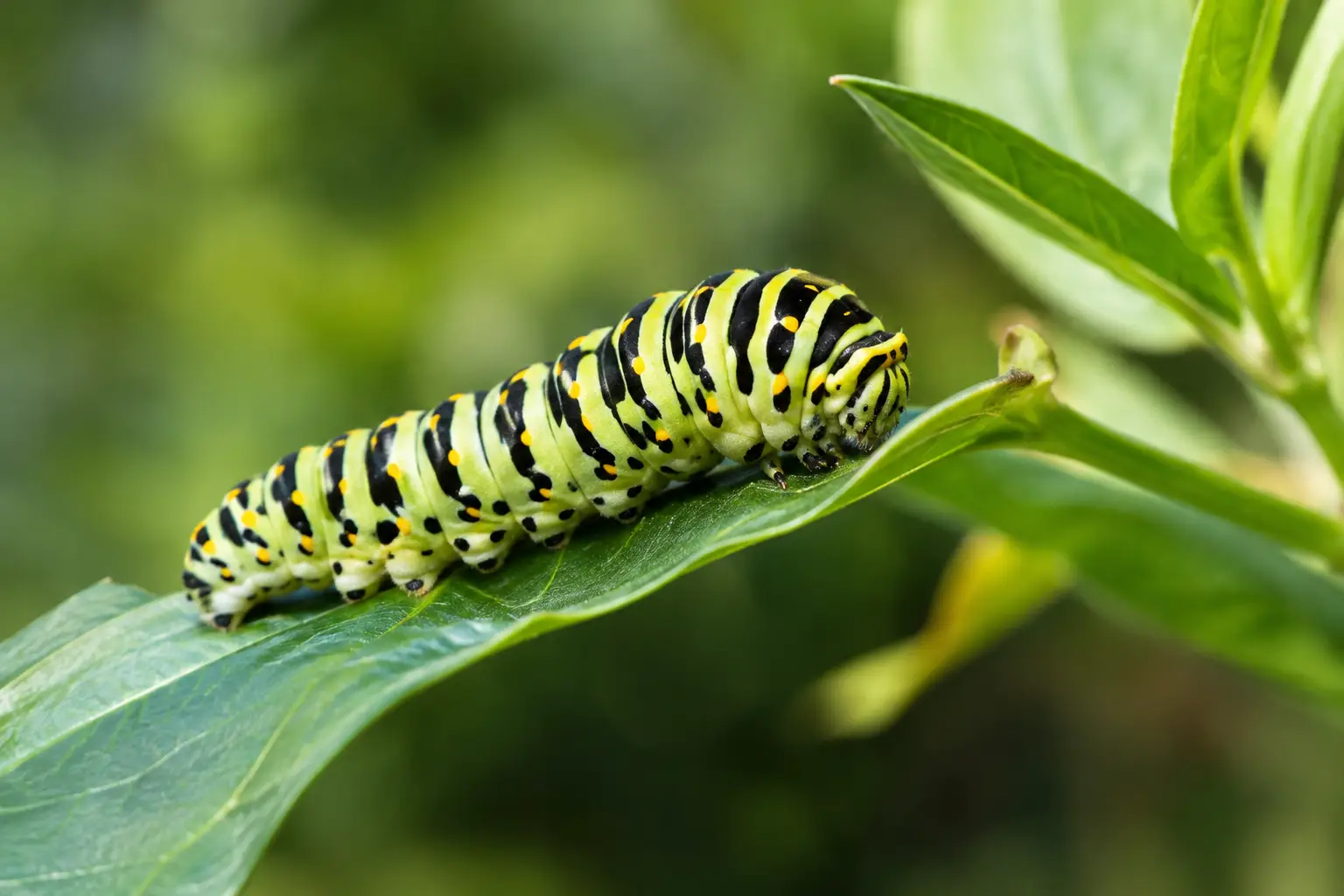
A caterpillar’s job is to grow. It has strong chewing mouthparts and spends much of its time eating leaves. Many caterpillars are very picky eaters. They can eat only certain kinds of plants, called host plants. A female butterfly carefully chooses these plants when she lays her eggs, so her caterpillars will have food as soon as they hatch.
For example, monarch caterpillars eat milkweed. Black swallowtail caterpillars may eat plants in the carrot family, such as dill, fennel, parsley, and rue. Painted lady caterpillars often use thistles, while some other caterpillars depend on trees, grasses, or native wildflowers.
This is why a garden needs more than pretty nectar flowers if we want it to support a butterfly’s whole life cycle. The flowers feed the adults. The host plants feed the caterpillars. A leaf with a few nibbles is not a ruined garden. It may be a nursery full of future wings.
How Children Can Help Butterflies Find Food
The kindest way to feed butterflies is to create a safe place where they can find their own natural foods. Families do not need a large yard to make a difference. A few pots on a sunny porch, a school garden bed, or a small corner of a backyard can become a welcome stop for butterflies.
Choose flowering plants with different colors, shapes, and bloom times. Purple, pink, yellow, orange, red, and white flowers can all be useful. Planting several of the same kind of flower together makes them easier for a butterfly to spot. Native plants are often an especially good choice because local butterflies and caterpillars have grown alongside them.
It also helps to include host plants, even if they look less polished than a bunch of store-bought flowers. Before planting, check which butterflies live in your part of the United States. What works in a Florida garden may not be the best choice for a Minnesota classroom garden.
Skip pesticides whenever possible. Insect sprays can harm caterpillars, butterflies, bees, and other helpful garden visitors. If a plant has chewed leaves, pause before trying to fix the problem. Invite children to look underneath the leaves first. They may find a caterpillar quietly doing exactly what it needs to do.
A shallow dish of wet sand can offer a safe puddling spot. Add just enough water to make the sand damp, not deep. Butterflies need a place to stand while they drink. Open bowls of water can be difficult for small insects, so shallow is always safer.
A Gentle Butterfly-Watching Game
The next time a butterfly visits, encourage your child to become a quiet nature detective. Stay a few steps away and watch without chasing, touching, or trying to catch it. Butterflies need their energy for flying and feeding, and gentle observation helps children practice patience and care.
Ask simple questions as you watch: Which flower did it choose? Did it unroll its proboscis? Is it sipping nectar, resting in the sun, or looking for a place to lay eggs? What colors do you see on its wings? Does another butterfly visit the same plant?
A notebook, coloring page, or homemade butterfly chart can turn those observations into a creative learning adventure. Children can draw the flower, add the butterfly’s colors, and make a small mark each time they see one. There is no need to identify every species correctly. The joy is in noticing what is there.
In Abel & Ruth Discover Butterflies, Abel and Ruth’s outdoor discoveries can inspire that same kind of careful looking: a question, a pause, and another wonderful detail hiding in plain sight.
Why Butterfly Food Matters
When children learn what butterflies eat, they also begin to see how living things are connected. A flower is not only colorful. It is a food source. A milkweed plant is not only a plant. It is a home and a meal for monarch caterpillars. A patch of damp soil can hold minerals that a butterfly needs.
This connection can grow into a gentle habit of environmental care. Children do not have to solve every problem in nature. They can start small by planting a flower, leaving a host plant in place, avoiding sprays, and treating tiny creatures with respect.
The next butterfly that floats past may be looking for nectar, minerals, fruit, or a special plant for its future caterpillars. Watching it search is an invitation to wonder together – and perhaps to help make one small corner of the world a more welcoming place to land.