A butterfly resting on a flower can look like a tiny piece of a rainbow that has landed in the garden. Children often ask why butterflies have colorful wings, especially when they spot a bright yellow swallowtail, a monarch with orange-and-black wings, or a blue butterfly flashing in the sunshine. The answer is full of wonderful surprises: butterfly colors can help them hide, send messages, find mates, and sometimes warn other animals to stay away.
For young nature explorers, the best part is that every butterfly offers a small mystery to notice. Its colors are not only beautiful. They are part of how it lives.
Color begins with thousands of tiny scales
Butterfly wings may look smooth from far away, but a close look reveals something amazing. Their wings are covered with thousands of teeny, overlapping scales. They are a little like roof shingles or the glittery scales on a fish, although butterfly scales are much more delicate.
Some of these scales contain pigments, which are natural colors. Yellow, orange, red, brown, and black often come from pigments in the scales. When sunlight shines on the wings, we see those colors reflected back to our eyes.
Other butterfly colors come from the way light bounces around inside the scales. This is called structural color. It is why some butterflies seem to change from blue to purple, or from green to turquoise, as they move. The color is not really changing like a magic trick. Our eyes are seeing the light from a new angle.
This is especially fun to observe when a butterfly opens and closes its wings in the sun. A child might notice that one moment it looks dark and the next moment it gives a bright blue flash. Encourage them to watch gently, from a respectful distance, rather than trying to touch or catch it.
Why butterflies have colorful wings: messages for the world
Butterfly colors and patterns can work like signals. A pattern may tell a bird, another butterfly, or even a nearby animal something important.
Some colors help butterflies hide
Not every butterfly wants to be noticed. Many species have brown, gray, tan, or leaf-like markings that help them blend into tree bark, dry leaves, rocks, or shadows. This is called camouflage.
A butterfly may have bright colors on the tops of its wings but quieter colors underneath. When it lands and folds its wings together, the less noticeable underside can help it disappear. A bird flying overhead may have a much harder time finding it.
The angle of a butterfly’s wings matters, too. A colorful butterfly in flight can be difficult for a predator to follow because its bright pattern flashes on and off as it flutters. That quick movement can be confusing, giving the butterfly a chance to fly away.
Some colors say, “I may not taste good!”
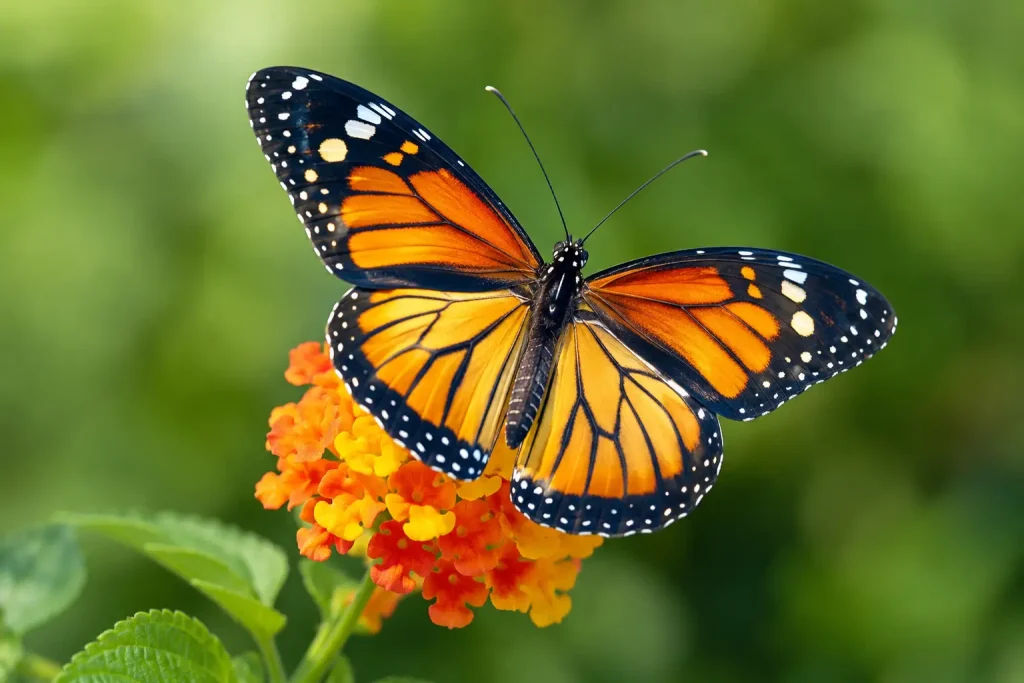
Bright colors can also be a warning. Orange, red, yellow, and black are often easy to spot, and some butterflies use these bold colors to tell predators that they may taste bitter or make an animal feel sick.
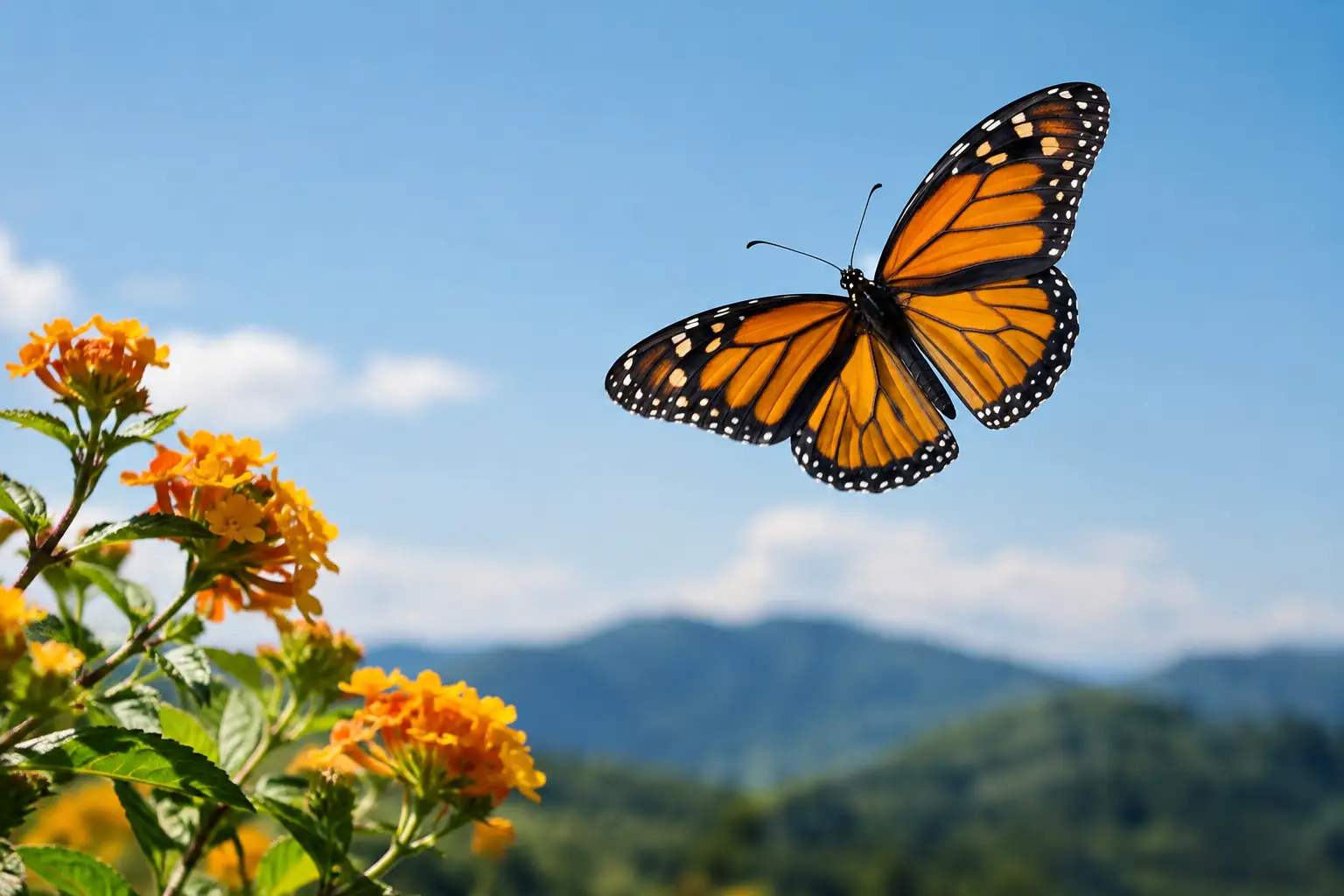
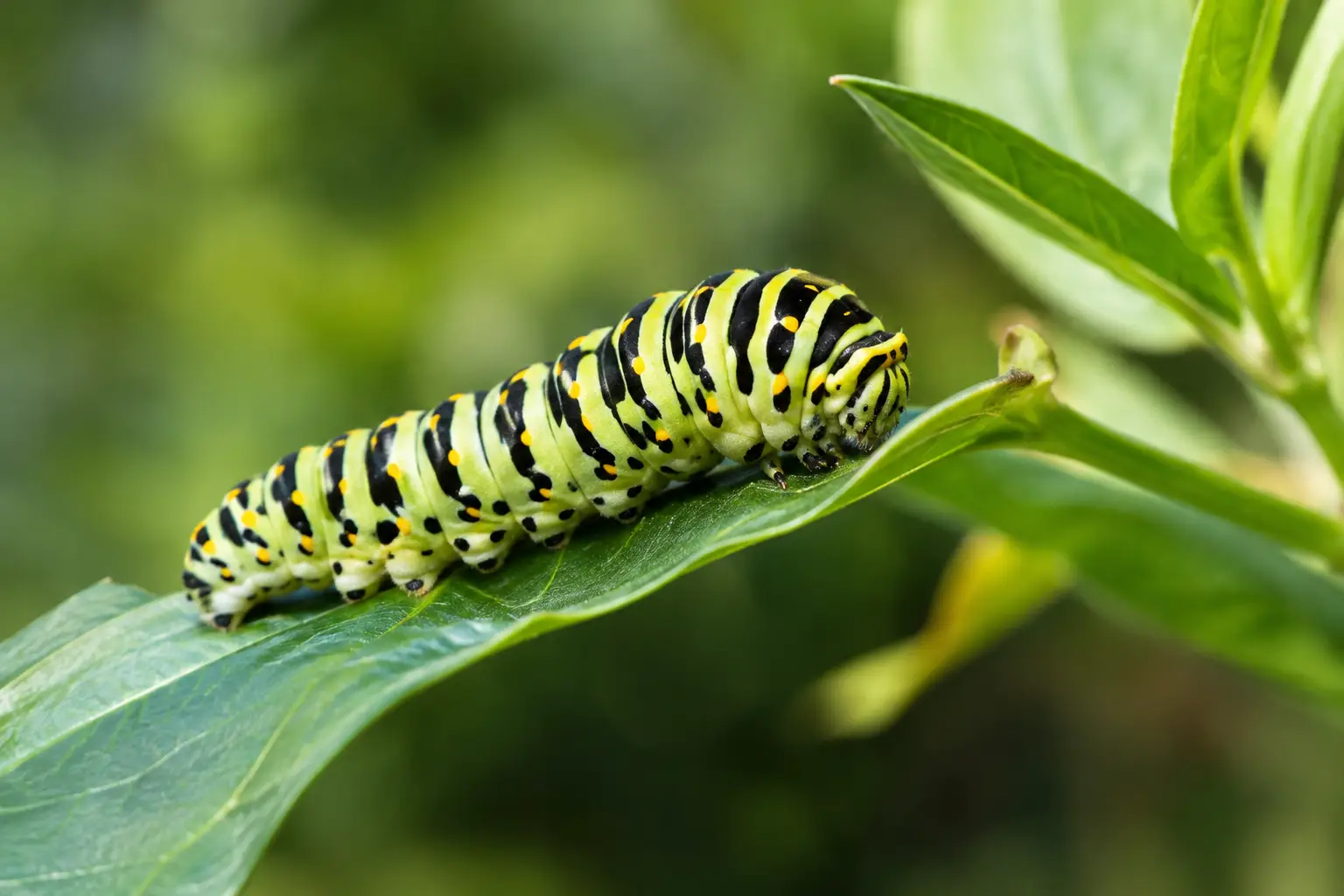
Monarch butterflies are a well-known example. As caterpillars, they eat milkweed plants. Milkweed contains substances that can make monarchs unpleasant for many predators to eat. Their orange-and-black wings act like a warning sign: “Better choose another snack.”
Of course, color does not make a butterfly completely safe. Birds and other animals still need food, and young predators may not understand the warning at first. Nature involves risks, which is one reason butterflies lay many eggs. Still, a strong warning pattern can help more butterflies survive.
Some butterflies copy a warning
Here is a clever twist. A butterfly does not always need to be bitter-tasting to benefit from a warning pattern. Some harmless butterflies look similar to species that predators have learned to avoid. This is called mimicry.
It is a bit like wearing a costume that makes others think twice. If a bird mistakes a harmless butterfly for one with a bad taste, the harmless butterfly may get to flutter away safely. The details vary from species to species, but it is a lovely reminder that patterns can be useful as well as pretty.
Some colors help butterflies find each other
Butterflies also use color during courtship. In many species, a butterfly’s wing pattern helps it recognize others of its own kind. Bright patches, dots, stripes, and shimmering colors may help a potential mate stand out among flowers and leaves.
Butterflies do not rely on color alone. They can use scent and movement, too. But wing colors are one part of the message. A sunny meadow filled with flowers can be a busy place, and a familiar pattern helps butterflies find the right companion.
Eyespots can give predators a surprise
Have you ever seen a butterfly or moth with circles on its wings that look like eyes? These markings are called eyespots. Some are small, while others are large and dramatic.
When a butterfly suddenly opens its wings, an eyespot may startle a bird or make the butterfly seem larger than it really is. In a quick moment of surprise, the butterfly can escape. Other eyespots may draw attention toward the outer part of a wing instead of the butterfly’s body. If a bird pecks there, the butterfly may lose a small piece of wing but survive.
A torn wing can make flying harder, so it is not an ideal outcome. Yet butterflies are resilient little creatures. A wing does not heal in the same way a scraped knee does, but some butterflies can continue flying and feeding with damaged wings.
A gentle way to look for butterfly colors
Children learn a great deal by slowing down outdoors. On a warm, calm day, visit a garden, park, schoolyard, or patch of flowers. Butterflies are often more active when the sun is out because warmth helps them fly.
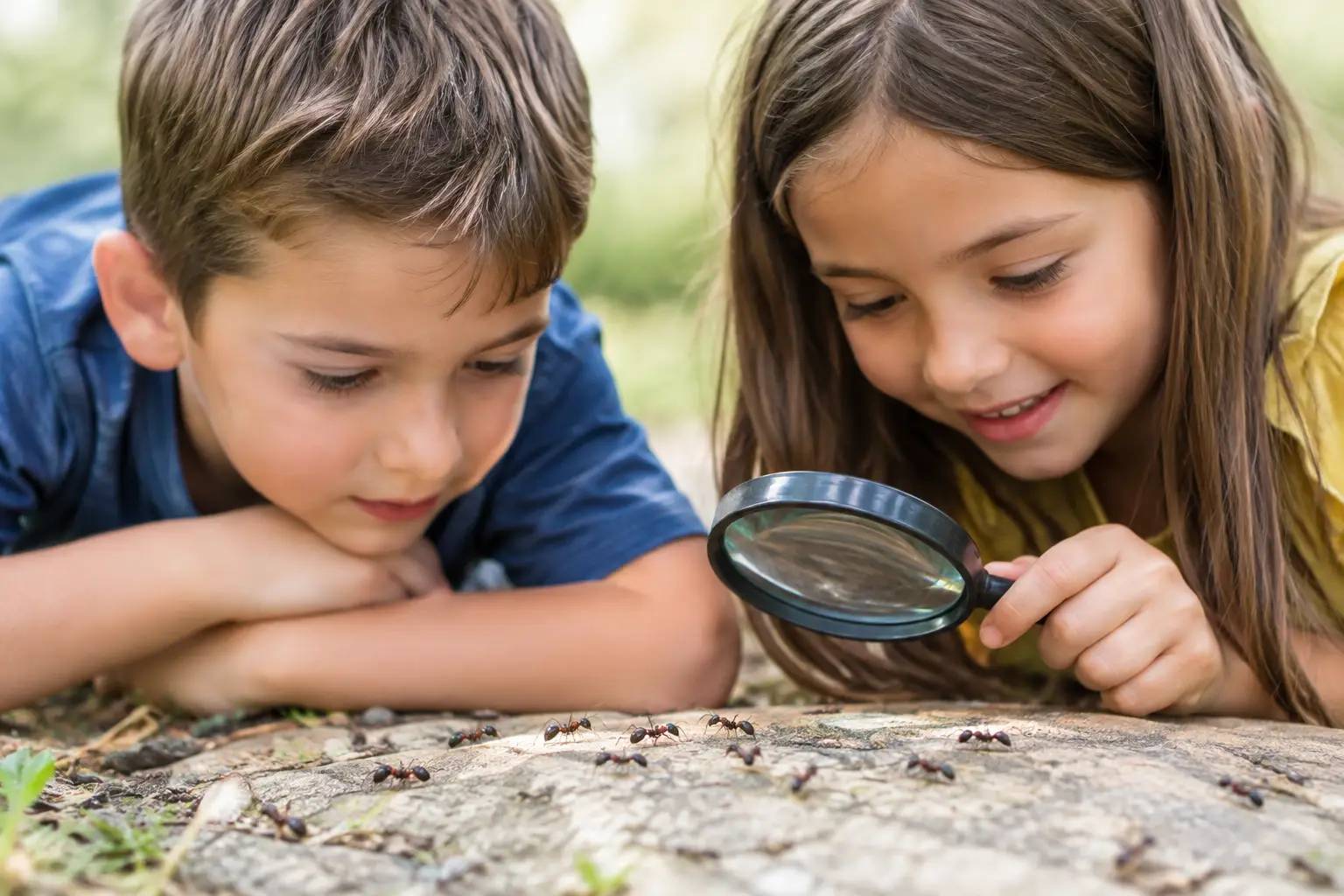
Rather than chasing a butterfly, try becoming quiet flower detectives. Notice which flowers attract visitors. Watch whether the butterfly holds its wings open, closed, or halfway between. Look for stripes, dots, zigzags, eye-like circles, and colors that appear only when the wings move.
A simple sketch can turn an observation into a keepsake. Children can draw the butterfly’s shape first, then add the colors and patterns they remember. There is no need for the drawing to be perfect. The goal is to practice looking closely and asking questions: Was the pattern the same on both wings? Did the butterfly blend into the leaves? Did its color sparkle in the sunlight?
If you find a butterfly resting on the ground, it may be warming itself, feeding on minerals in damp soil, or simply taking a break. Give it space. Butterfly wings are fragile, and touching them can rub off scales that help protect their wings and create their beautiful patterns.
Bring the discovery home through play
After an outdoor walk, invite children to create their own butterfly patterns with crayons, paint, colored paper, or washable markers. Fold a paper butterfly shape down the middle and make matching marks on both sides. This introduces symmetry, the balanced look that many butterfly wings have.
You can also play a simple guessing game. Ask, “If your butterfly had brown-and-gray wings, where might it hide?” Or ask, “If it had bright orange wings, what might it be trying to say?” There is room for imagination alongside science. A child may create a butterfly with colors for hiding in a blueberry bush, warning a hungry dragon, or finding a friend near purple flowers.
Stories make these discoveries even more memorable. In Abel & Ruth Discover Butterflies, Abel and Ruth’s nature adventure can help children connect the colors and patterns they see outdoors with the life of a real butterfly.
The next time a butterfly visits your yard or classroom garden, pause long enough to let its wings tell their story. A tiny flash of blue, a leaf-like brown pattern, or a pair of watchful eyespots can be an invitation to wonder, look closer, and care for the living world just beyond the doorstep.