A sidewalk crack can be a tiny canyon. A dandelion puff can become a wish traveling on the wind. An outdoor scavenger hunt preschool activity works best when it invites children to slow down long enough to notice these small, marvelous things. There is no need to race, collect every object, or get the answers right. The real treasure is the conversation that grows along the way.
For preschoolers, nature play is full-body learning. They crouch, point, listen, carry, compare, and tell stories. A simple hunt gives that joyful exploration a gentle shape while leaving plenty of room for surprises.
Start With a Hunt That Feels Like Play
The best preschool scavenger hunts are short, open-ended, and easy to adapt. Rather than making a long checklist of objects children may not find, offer a handful of prompts that encourage looking in different ways. A child who cannot find a feather can still notice something soft. A child who does not spot a butterfly may hear a bird or see leaves fluttering.
Aim for five to eight prompts, especially for younger preschoolers. You might read one prompt at a time as you walk, or carry a small paper with simple pictures. If children are not yet interested in checking boxes, that is perfectly fine. Let them point, describe, or bring an adult over to share what they found.
A hunt can take place in a backyard, neighborhood, schoolyard, park, or even along a short path outside a building. Familiar places are wonderful because children begin to notice how they change from one visit to the next.
Outdoor Scavenger Hunt Preschool Prompts
Choose prompts that invite observation rather than require children to pick up living things. This protects little creatures and helps children see that the outdoors is a shared home.
Try a mix of these gentle invitations:
- Find something yellow, something bumpy, and something that makes a shadow.
- Look for a leaf with lines, a stick shaped like a letter, and a rock with more than one color.
- Listen for a bird sound, a buzzing sound, and a sound made by the wind.
- Notice something that moves, something that is still, and something smaller than your thumb.
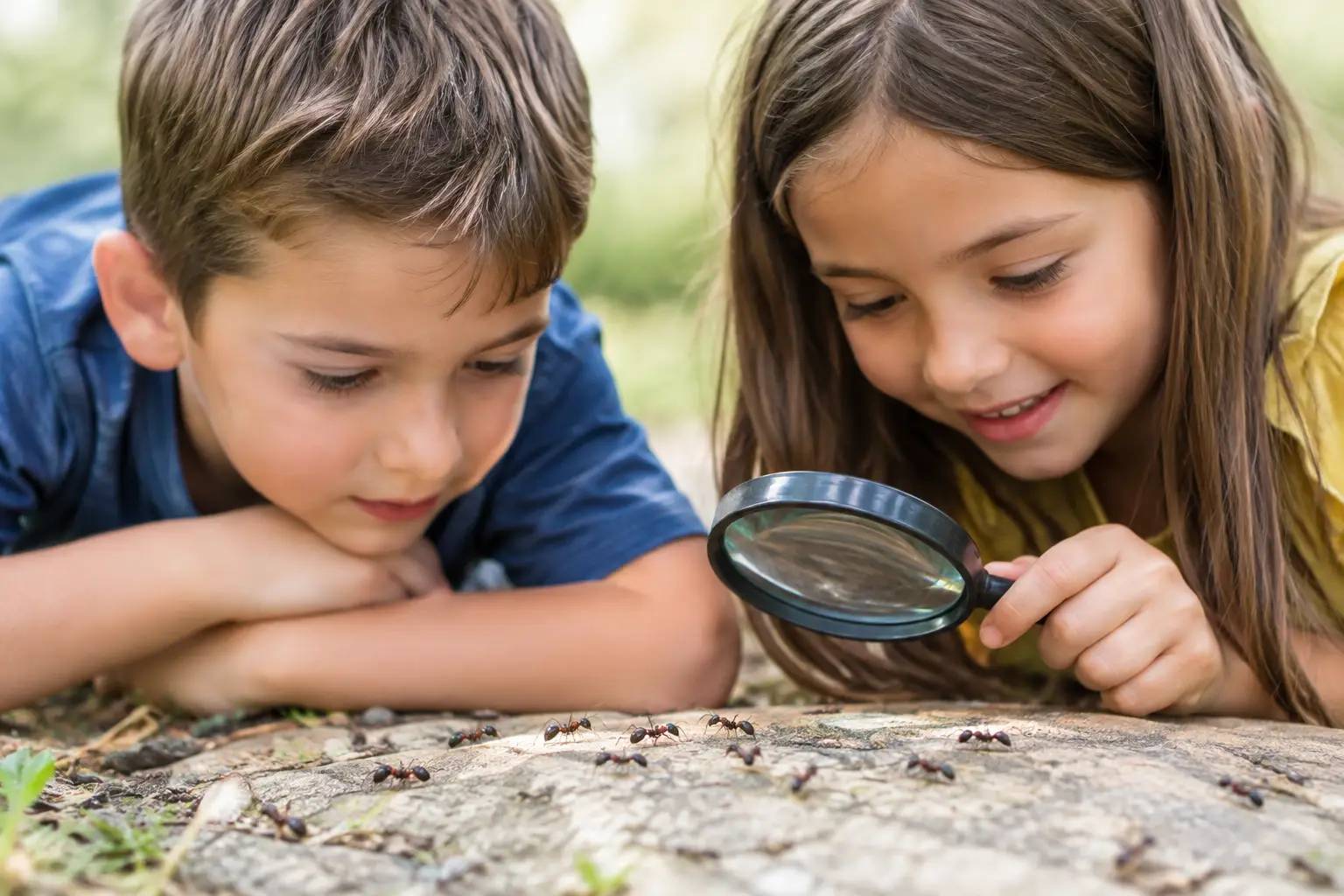
- Search for a place an insect might hide, such as beneath a leaf, near a flower, or beside a log.
- Find a circle in nature, a tiny treasure that sparkles, and a scent you can recognize.
The words matter. “Find an insect” can feel disappointing if no insect appears. “Look for a place an insect might hide” always leads somewhere interesting. Children may discover a curled leaf, a patch of soil, or an ant trail. Each observation opens a new question.
If you are walking with a group, invite children to work together rather than compete. One child may notice the color, another may hear the sound, and another may have a wonderful idea about what an animal does there. This makes room for different ages, confidence levels, and ways of communicating.
Make It Easy to See, Hear, and Wonder
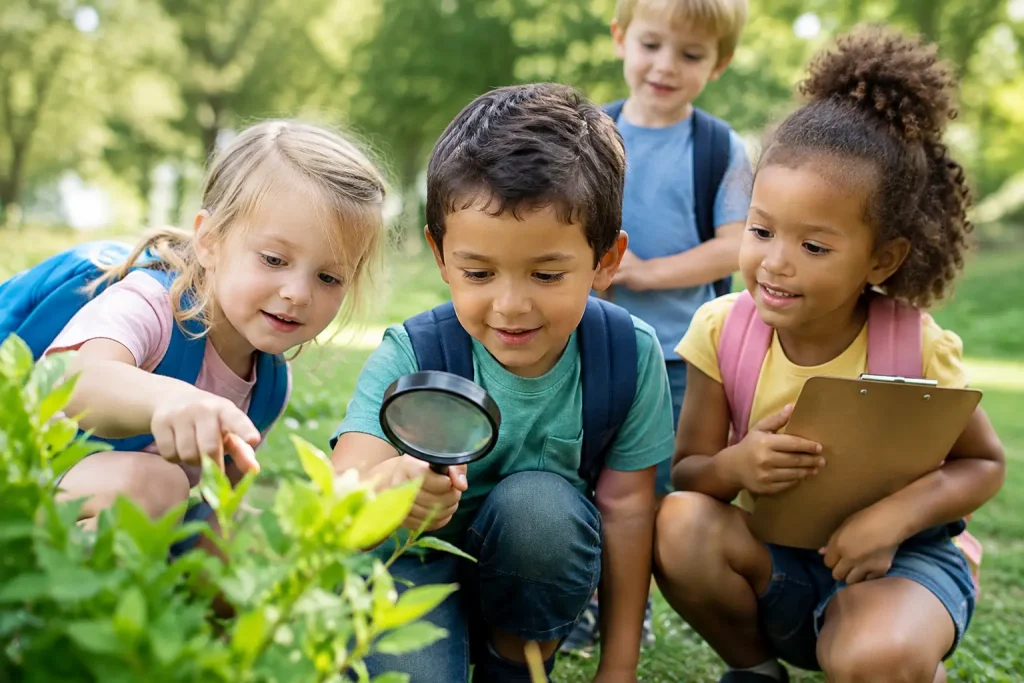
Preschoolers do not need a clipboard to be real scientists. They need time, a caring grown-up, and permission to be curious. Still, a few simple tools can make the experience feel special: a magnifying glass, a small notebook, crayons, or a reusable container for carrying a nonliving treasure such as a fallen leaf or pebble.
Consider giving each child one job for the walk. A “color finder” can watch for bright spots. A “sound listener” can pause when the group is quiet. A “tiny-things detective” can search the ground carefully. Jobs are playful, not permanent, so children can switch whenever their attention wanders.
Pause often. Preschool children naturally move quickly from one discovery to the next, but a pause gives wonder time to settle. When a child points at an ant, you might say, “You noticed it moving very fast. Where do you think it is going?” If they find a chewed leaf, ask, “Who do you think had a snack here?”
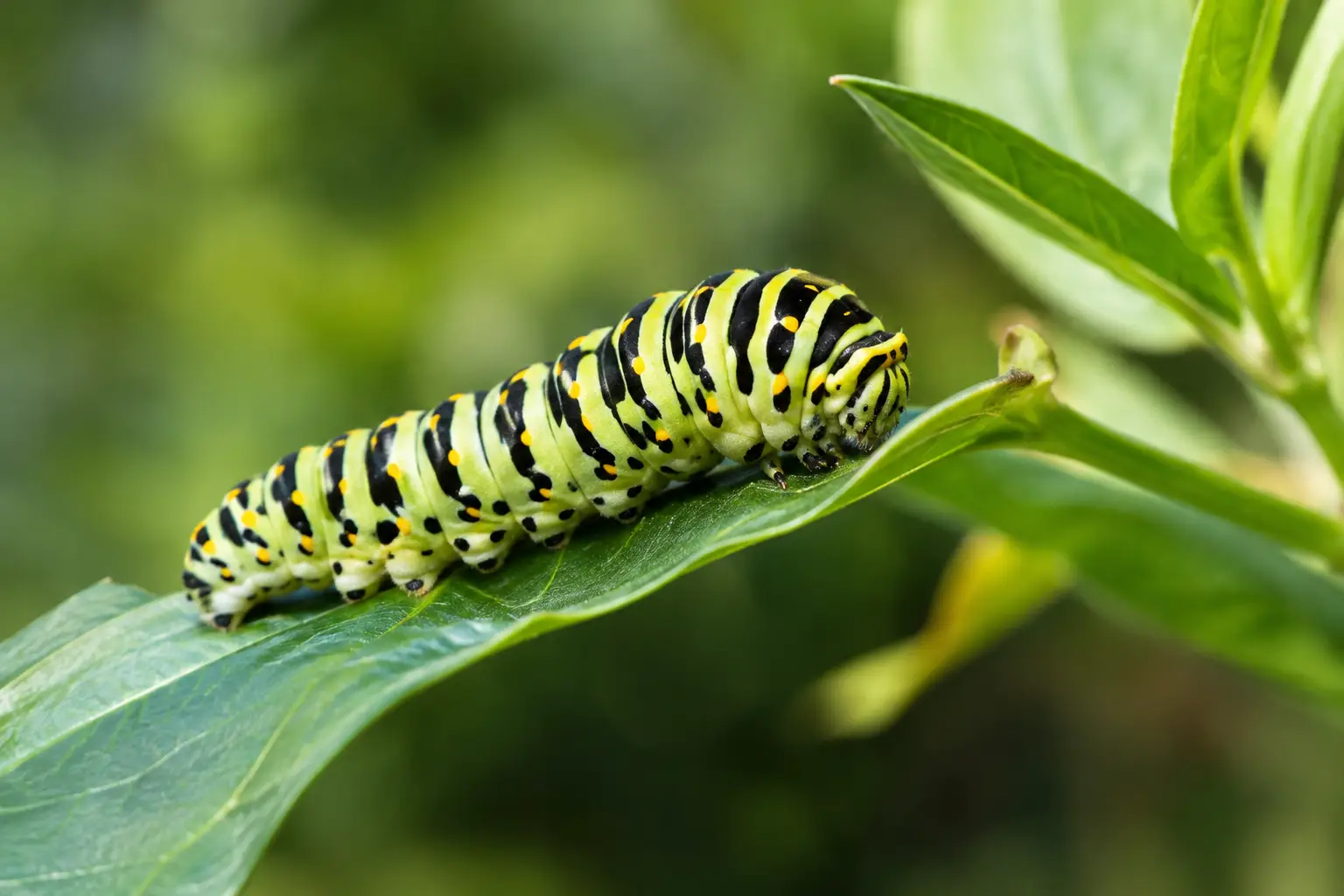
There is no need to correct every answer. A child may call every flying insect a bee, or decide a cloud looks like a dinosaur. You can gently add language without dimming the imagination: “It does look fuzzy like a bumblebee. Let’s watch from here and see if we notice its stripes or where it lands.”
Keep Little Explorers Safe and Kind
A nature hunt feels freer when adults have handled the boundaries ahead of time. Choose an area away from traffic, check the ground for hazards, and remind children that plants and animals are for looking at gently. Stay on paths where needed, and wash hands after exploring.
Teach one simple rule before you begin: “We can look closely, but we do not touch an animal unless a grown-up says it is safe.” This is especially helpful around unfamiliar insects, mushrooms, berries, and standing water. Children can practice being careful observers by using their eyes first.
Weather changes the kind of hunt you have. On a sunny day, search for shadows, dry grass, and butterflies near flowers. After rain, look for puddle reflections, shiny snails, wet bark, and worms on the sidewalk. In cooler months, notice seed pods, bare branches, tracks, and the many shapes of fallen leaves. A successful hunt does not require perfect weather. It simply follows what the day offers.
Turn Discoveries Into Stories and Art
The walk may be over, but the adventure can continue at the kitchen table or classroom art center. Ask children to share one thing they noticed and one thing they wonder. Their answers may be brief, funny, or unexpectedly thoughtful. Write down their words exactly when you can. A child’s own description of a “leaf boat for a ladybug” is worth remembering.
Invite children to draw their favorite discovery, make a rubbing from a leaf or textured piece of bark, or arrange fallen natural items into a temporary picture outdoors. Avoid taking more than you need from a shared space. A photo is often the kindest way to keep a memory of a flower, insect, or nest.
Stories can carry the discovery further. After noticing a busy ant or a dragonfly near water, read a nature-themed picture book and ask children what the characters might notice on the same walk. Abel and Ruth’s outdoor adventures can be a warm starting point for conversations about the small creatures living all around us.
For children who enjoy music, make up a simple walking song with their discoveries: “We saw a leaf, we heard a bee, we found a shadow under a tree.” Repeating their own ideas helps build language while keeping the moment light and playful.
When a Hunt Does Not Go as Planned
Some days, children would rather run than search. Some days, the only thing anyone wants to investigate is a puddle. Let that be the hunt. A preschool activity does not have to follow the paper to be meaningful.
If a child becomes frustrated because they cannot find an item, shift from searching for a named object to noticing a quality. Instead of “Where is the red flower?” try “Can we find any color that makes you feel cheerful?” If the group is tired, end after three discoveries and celebrate them. A short, happy nature experience is more likely to become a family or classroom rhythm than a long activity that asks too much.
The next time you step outside, bring only one prompt: “What is something new you can notice here?” Then follow the pointing fingers, the delighted voices, and the little pauses. Nature has a wonderful way of meeting children exactly where they are.