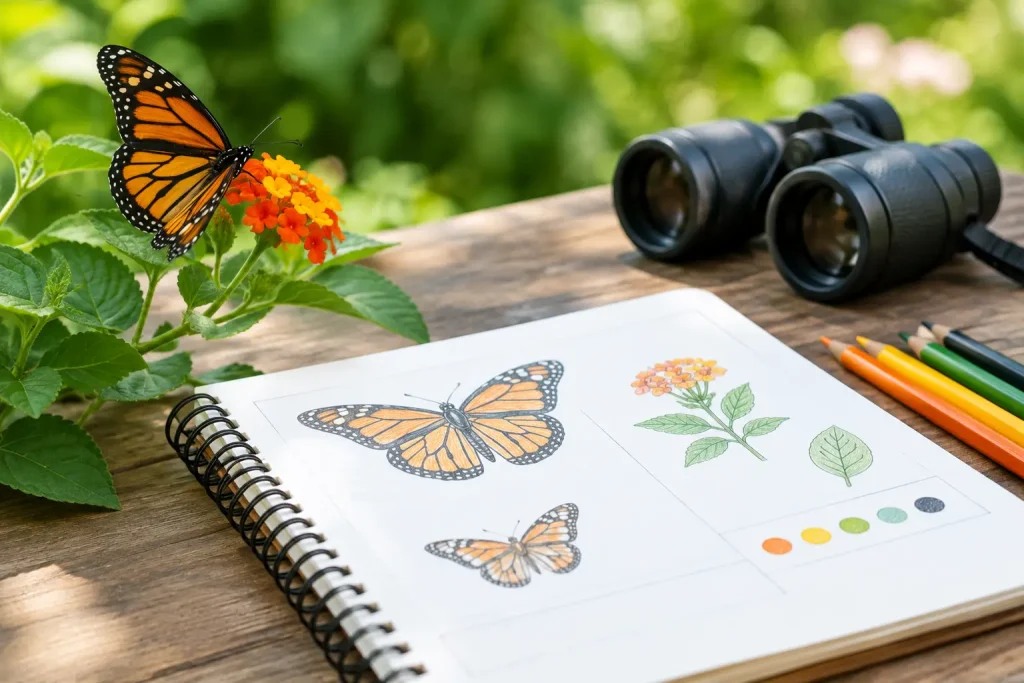
A butterfly may rest on one flower for only a few seconds, yet that small pause can become a big discovery. A butterfly observation journal printable gives children a welcoming place to slow down, look closely, draw what they see, and wonder aloud. It turns a walk through the yard, a visit to the park, or a sunny moment beside a school garden into a screen-free learning adventure.
There is no need to identify every butterfly perfectly. For young children, the joy is in noticing: Which colors fluttered past? Were the wings open or closed? Did the butterfly visit a yellow flower, a purple flower, or a leafy plant? With a simple journal page, each observation matters.
Why a butterfly journal makes outdoor time memorable
Children are natural scientists because they begin with questions. Why does it fly that way? Where did it go? Is that a butterfly or a moth? A journal lets those questions stay open long enough for curiosity to grow.
Unlike a worksheet with one expected answer, an observation journal records a real moment. One child may draw a large orange butterfly with dots. Another may notice that the wind made it hard to watch. A preschooler may make a bright scribble and call it “fast wings.” All are meaningful records of attention and growing confidence.
For parents, caregivers, and educators, the printable also creates a gentle rhythm for nature time. Bring a few pages, crayons or pencils, and a small clipboard outside. Then let the children lead. The goal is not to finish a page quickly. The goal is to notice together.
A journal can also help children see patterns over time. Butterflies may appear more often on warm, calm days. Certain flowers may welcome more visitors. A child who returns to the same garden each week begins to understand that nature changes, repeats, and always has something new to share.
What to include in a butterfly observation journal printable
The best pages leave plenty of room for a child’s own ideas. Very young observers benefit from pictures, wide drawing spaces, and a few simple prompts read aloud by an adult. Beginning writers may enjoy labeling colors, counting spots, or writing one sentence about what happened.
Start with the basics: the date, place, weather, and a large box titled “Draw your butterfly.” A page does not need to be crowded to be useful. In fact, open space invites children to look again instead of rushing toward the next question.
Add prompts that feel like an invitation rather than a test. “What colors do you notice?” “Where did it land?” and “What do you wonder?” are friendly choices. A small row of weather symbols – sun, cloud, breeze, and raindrop – can help nonreaders share what the day felt like.
For children ready for a little more detail, include space to notice wing shape, body color, and the flower or plant nearby. Rather than asking them to name a species immediately, ask what makes this butterfly different from the last one they saw. Comparing observations builds careful thinking without taking away the magic.
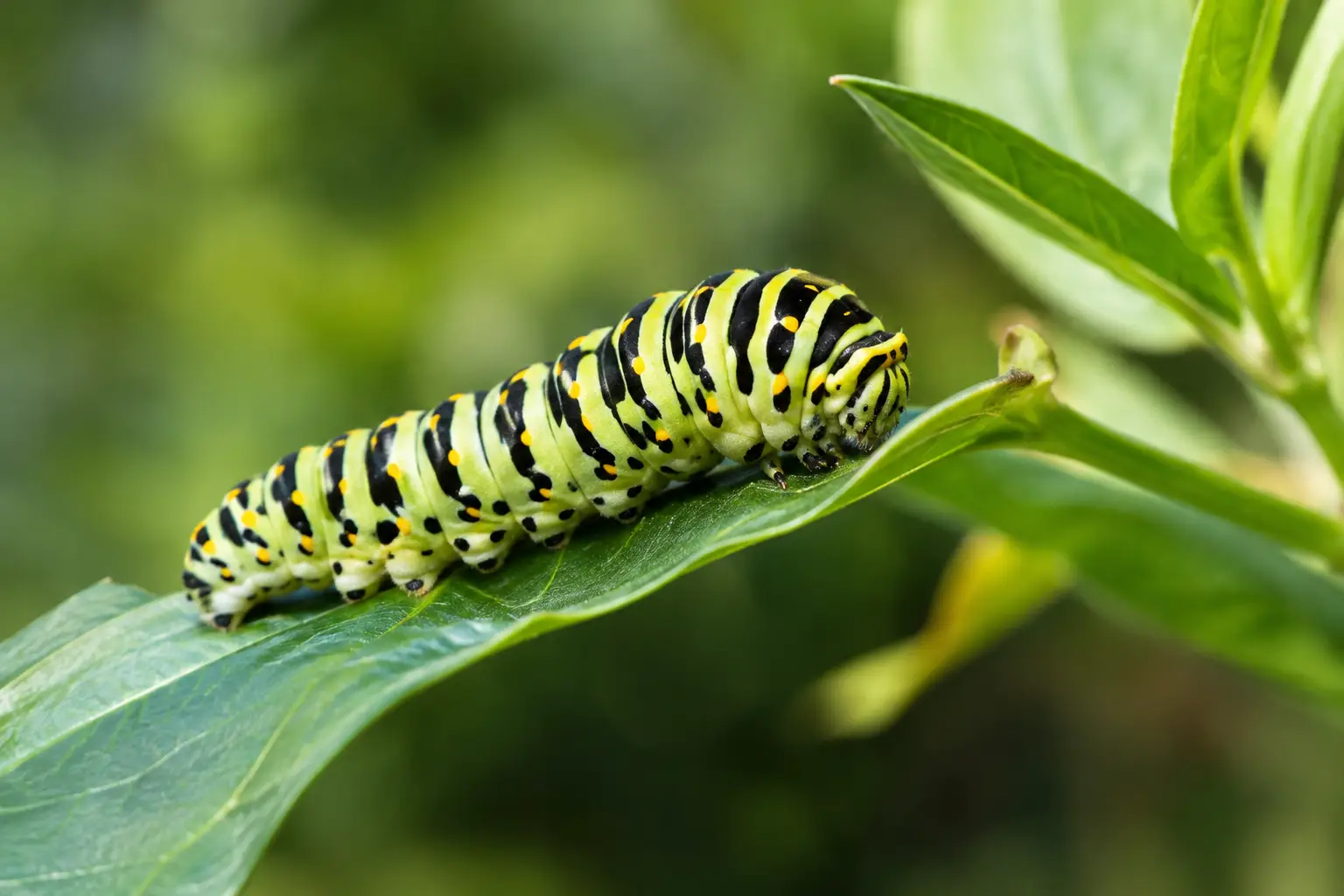
A second page can offer a “butterfly life cycle” corner with room for drawings of an egg, caterpillar, chrysalis, and adult butterfly. This is especially lovely after reading a butterfly story or watching caterpillars in a garden. Children begin to connect the fluttering adult they see today with the quiet changes that came before.
How to use the journal without making it feel like school
Choose a comfortable time when butterflies are likely to be active, often on a mild, sunny day. Walk slowly near flowering plants, shrubs, or a patch of wildflowers. You do not need a large garden. A community park, a schoolyard, a balcony planter, or a neighborhood nature trail can offer surprising visitors.
Before opening the journal, pause for a minute of quiet looking. Ask children to spot movement or color. Sometimes the first thing they notice will be a bee, a dragonfly, or a bird instead. That is perfectly fine. Nature does not follow a lesson plan, and a journal can hold every wonderful detour.
When a butterfly appears, encourage children to watch from a respectful distance. Butterflies are delicate, and chasing them can frighten them away. A calm voice, gentle feet, and patient eyes often lead to better observations than trying to get close. If the butterfly flies away, invite a child to draw what they remember. Memory is part of observing, too.
After a few minutes, settle somewhere comfortable to make the journal entry. Young children may dictate their words while an adult writes them down. You might write, “I saw a yellow butterfly dancing by the pink flowers,” and let the child add a drawing. Older children can write their own captions, measurements, or questions.
Not every outing will bring a butterfly. On a cool, rainy, or windy day, look for clues instead: chewed leaves, flower buds, caterpillars, or a quiet spot that might become sunny later. A blank butterfly box is not a failed day. It is a chance to write, “No butterflies today. I wonder where they are.” That kind of wondering keeps children connected to the living world.
Gentle questions that lead to big discoveries
A few warm questions can stretch an observation without turning it into a quiz. Try asking, “What did the wings remind you of?” “Did it seem to have a favorite flower?” or “What might it do next?” Then give children time to answer, change their minds, or simply keep watching.
You can also return to a past page and compare. Did the same colors appear? Was the weather different? Did the child’s drawing include more details this time? These little comparisons help children recognize growth in both the garden and themselves.
For a group, invite everyone to share one favorite notice from the day. One child might have seen spots; another might have heard leaves rustling; someone else may have noticed a caterpillar. This makes room for different ways of learning and reminds children that careful observation does not always look the same.
Pair the printable with stories, art, and play
A butterfly journal becomes even more meaningful when it carries the outdoor adventure into quiet indoor time. Children can create a paper butterfly using the colors they observed, make a garden collage from fallen petals and leaves, or invent a short story about where their butterfly traveled after it flew away.
Reading together adds another layer of wonder. In Abel & Ruth Children’s Discovery Series, nature stories offer a gentle way to talk about tiny creatures, changing seasons, and the care living things need. After a story, invite children to add one new question to their journal. They may wonder what butterflies eat, where they sleep, or how a caterpillar becomes a butterfly.
Keep completed pages in a folder, staple them into a seasonal booklet, or let children decorate a cover for their own nature journal. A single page may feel small, but a collection becomes a treasured record of afternoons spent outside: the first butterfly of spring, the warmest summer walk, the flower garden visited with Grandma, the day a child waited quietly and noticed something wonderful.
Let curiosity set the pace
A butterfly observation journal printable works best when it feels like a companion, not an assignment. Some days children will fill the page with careful details. Other days they may draw one colorful wing, ask a question, and run off to explore. Both belong in a joyful learning adventure.
Bring the journal out again when the next flutter catches your eye. With each patient look, children learn that the natural world is not something to hurry past. It is full of small, bright invitations to notice, imagine, and care.