A butterfly resting on a flower can feel like a tiny piece of magic. Yet every bright-winged visitor begins much smaller than most children expect. The butterfly life cycle gives families a beautiful way to notice how nature changes, grows, and patiently waits. One day, you may spot a leaf with a tiny egg beneath it. A few weeks later, you might see a caterpillar munching nearby – and, if you are very lucky, a butterfly opening its new wings.
This is not just a science lesson to memorize. It is an invitation to slow down together. Bring a child outdoors, look closely at the plants around you, and ask, “What do you notice?”
The Butterfly Life Cycle Has Four Stages
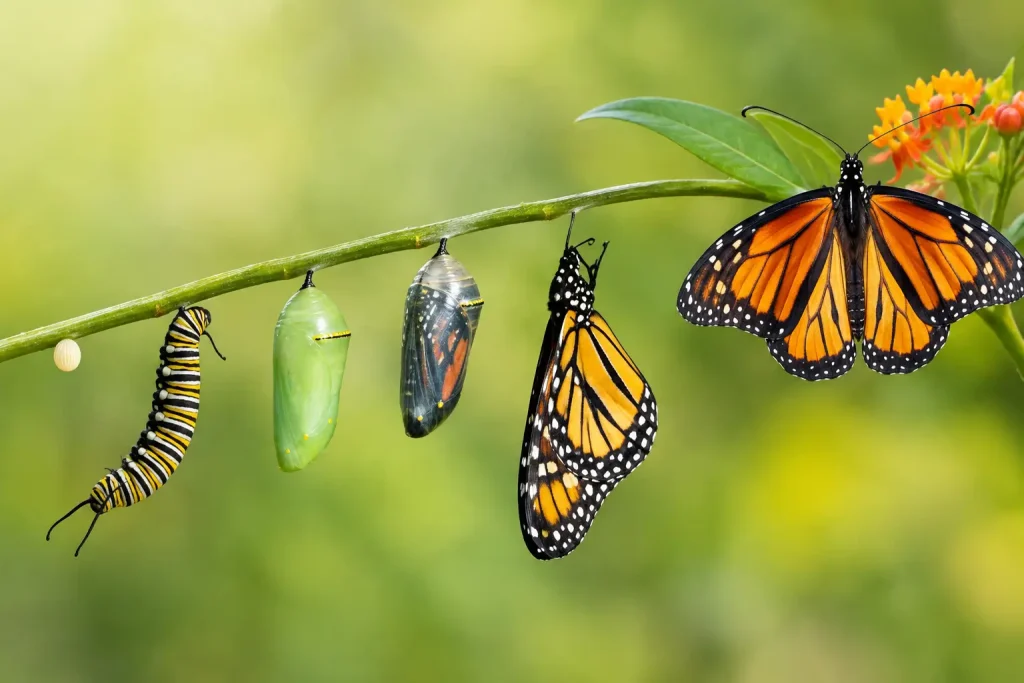
A butterfly goes through four remarkable stages: egg, caterpillar, chrysalis, and adult butterfly. This kind of big change is called metamorphosis. The word may sound long, but children understand the wonder of it right away: a crawling caterpillar does not simply grow wings. Its body changes in an amazing way.
Each stage has its own purpose. The egg holds the beginning of new life. The caterpillar eats and grows. The chrysalis is a quiet place of transformation. Then the adult butterfly emerges to drink nectar, find a partner, lay eggs, and begin the cycle again.
The timing is different for every kind of butterfly. Warm weather, food, rainfall, and the species of butterfly can all make a difference. Some butterflies complete their life cycle in a few weeks, while others take much longer or spend winter in one stage before continuing their journey.
Stage One: A Tiny Egg on a Leaf
A mother butterfly does not choose just any leaf for her eggs. She looks for the right host plant – a plant that her future caterpillars can eat. Different butterflies need different host plants. For example, monarch butterflies lay their eggs on milkweed because monarch caterpillars depend on it.
Butterfly eggs are very small. Some are round, some are oval, and some have tiny ridges like a delicate little pattern. Their colors vary, too. Looking for eggs can be fun, but it requires a gentle touch. It is best to look with eyes only. A small egg is easy to damage, and it needs to stay where its mother placed it.
Try asking a child, “Why do you think the butterfly chose this leaf?” There is no need to rush toward a perfect answer. Wondering together is part of the learning.
Stage Two: The Hungry Caterpillar
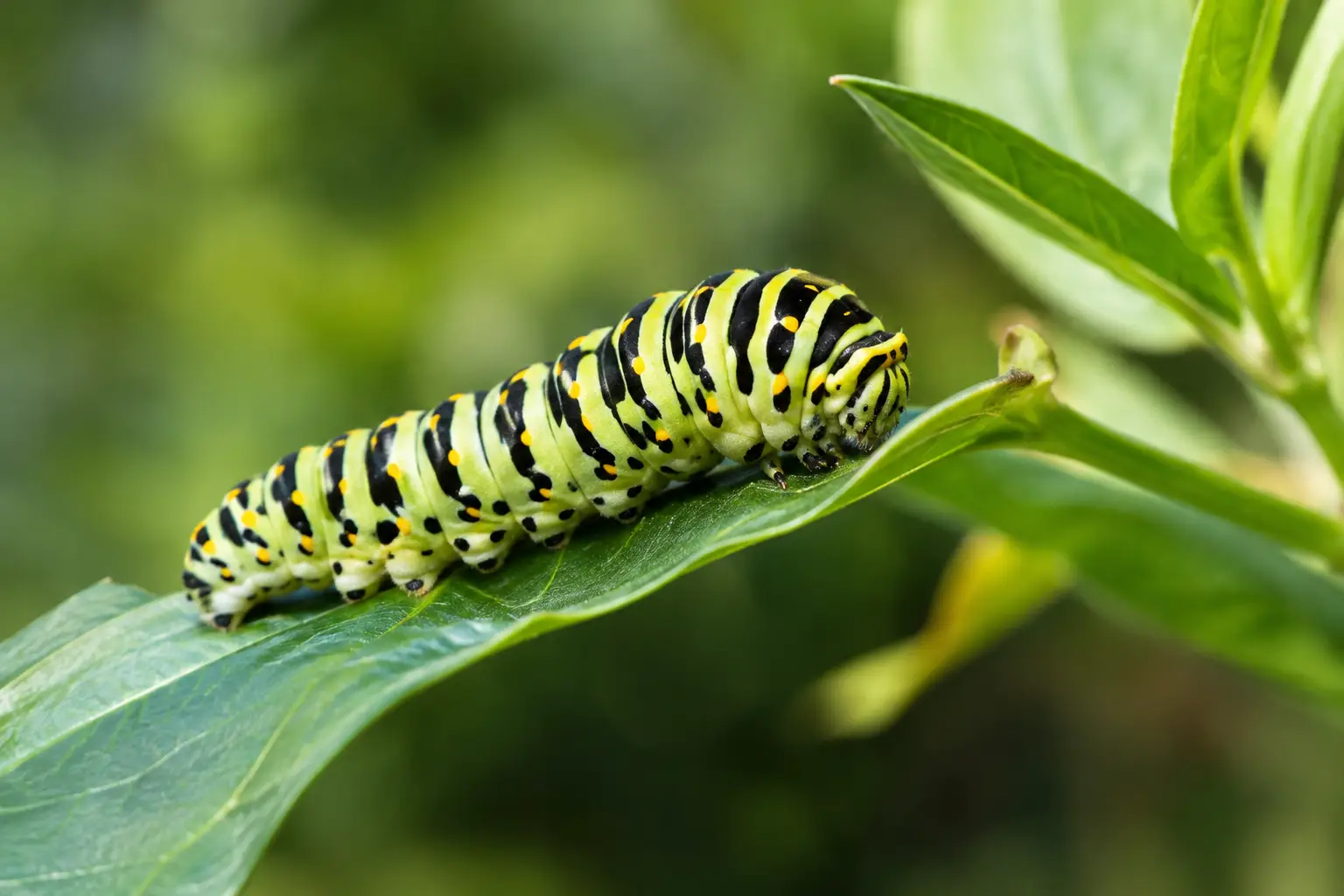
When the egg hatches, out comes a caterpillar, also called a larva. Its main job is simple: eat, eat, and eat some more. Caterpillars need lots of energy because their bodies will change dramatically later.
Children often notice chewed leaf edges before they spot the caterpillar itself. Look carefully along stems and under leaves. A caterpillar may be striped, fuzzy, smooth, green, brown, or covered in surprising spots. Its colors can help it blend into the plant or warn hungry birds to stay away.
As it grows, a caterpillar sheds its skin several times. This is called molting. Imagine trying to wear the same tiny jacket while growing taller every day. Eventually, it would be far too snug. A caterpillar’s old skin splits, and a larger caterpillar appears.
Not every caterpillar becomes a butterfly. Some become moths. Both are wonderful insects to observe, but their later resting stages can look different. This is one reason it helps to notice rather than guess too quickly.
The Quiet Surprise of the Chrysalis
When a caterpillar has eaten enough, it finds a protected spot and forms a chrysalis. It may hang from a twig, a fence, or the underside of a leaf. Inside, the caterpillar is changing into an adult butterfly.
A chrysalis is often confused with a cocoon. They are not quite the same. Many moth caterpillars spin silk cocoons around themselves. A butterfly caterpillar usually forms a chrysalis, which is a firm outer case. Both can look like small, still surprises in the garden.
This stage is a wonderful lesson in patience. Nothing may appear to be happening from the outside, but nature is busy within. If you find a chrysalis, leave it in place and give it plenty of room. Picking it up, moving it indoors, or opening it can harm the developing butterfly.
You can still enjoy the discovery. Draw the chrysalis in a nature journal. Notice its color. Return another day to see whether it has changed. For young children, a simple picture sequence – egg, caterpillar, chrysalis, butterfly – can help turn an observation into a story they can retell.
Stage Four: A Butterfly Takes Flight
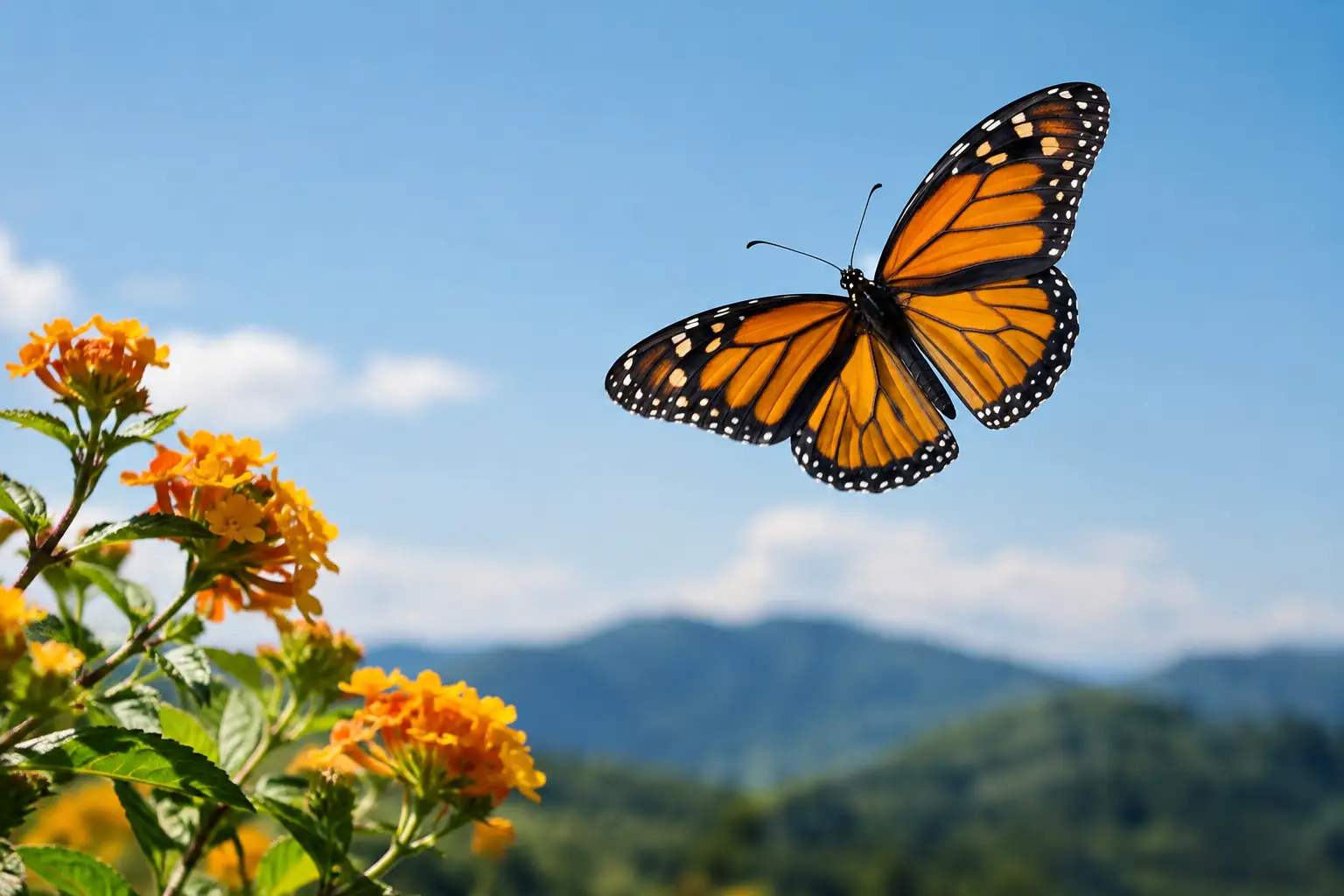
When the transformation is complete, the adult butterfly emerges from the chrysalis. At first, its wings are soft, folded, and damp. The butterfly needs time to pump fluid into the wing veins and let its wings dry. It may rest quietly before it is ready to fly.
This is one of the reasons a newly emerged butterfly should never be hurried. It does not need help spreading its wings. The kindest thing we can do is watch from a respectful distance and protect its space from curious hands and playful pets.
Once ready, the butterfly flies in search of nectar. As it visits flowers, it may carry pollen from one bloom to another. Butterflies are not the only pollinators, but they are lovely helpers in a healthy garden. Adult butterflies also look for suitable plants where they can lay eggs, beginning the life cycle once more.
How to Explore Butterflies Together
You do not need a special field trip to make butterfly learning feel exciting. A balcony planter, schoolyard garden, neighborhood park, or sunny patch of yard can become a discovery spot. Butterflies are often easiest to see on warm, calm days when flowers are open.
Start with a short, unhurried visit. Bring paper and crayons, or simply bring your eyes and a few gentle questions. What colors do you see? Which flowers attract the butterfly? Does it sit still, flutter quickly, or open and close its wings? A child’s answer may be imaginative, detailed, or very short. All are welcome beginnings.
If you want to invite more butterflies, grow a mix of nectar flowers for adults and host plants for caterpillars. It can feel surprising when caterpillars eat leaves in a garden, but that is exactly what those plants are there for. A garden made only for perfect-looking flowers may have fewer places for butterfly families to grow.
Avoid spraying pesticides where children and butterflies play. Even products meant for unwanted insects can affect caterpillars and other helpful garden visitors. A few nibbled leaves are a small trade-off for seeing a living life cycle close to home.
Turn What You Notice Into Play
After an outdoor walk, let the discovery continue indoors. Children can act out the stages by curling up like an egg, wiggling like a caterpillar, standing still like a chrysalis, and stretching their arms wide like wings. Add a made-up fluttering song or draw a four-part butterfly story.
For early readers, invite them to place the stages in order and explain what happens next. For younger children, use simple words: tiny egg, hungry caterpillar, quiet chrysalis, flying butterfly. The goal is not to test them. It is to give them language for a wonder they have seen.
Stories can help, too. In Abel & Ruth Children’s Discovery Series, butterfly adventures can become a gentle starting point for talking, drawing, pretending, and heading outside to look again. When science is connected to a familiar character and a shared moment, children often remember it with joy.
The next time a butterfly drifts past, pause for a moment. Somewhere nearby, a leaf may hold an egg, a caterpillar may be growing, or a chrysalis may be waiting quietly. Nature is full of small beginnings, and children are wonderfully ready to notice them.