
A ladybug climbs onto a small finger, and suddenly a child has a question: Where is it going? Kids science poems give that moment somewhere to go. A few playful lines can turn a backyard sighting into a tiny story of wings, leaves, legs, and wonder – with no worksheet or screen required.
For young children, poetry is not separate from science. Both begin with noticing. The beetle has shiny armor. The bee makes a humming sound. A caterpillar munches a leaf and then seems to disappear. When grown-ups put those observations into rhythm and rhyme, children can hold onto new words and ideas while enjoying the music of language.
Why Kids Science Poems Belong Outdoors
Early science is not about memorizing a long list of facts. It is about learning to look carefully, ask questions, and return to a discovery with fresh curiosity. Poems make room for all three. Their short shape is friendly to beginning listeners, and their repeating sounds invite children to join in.
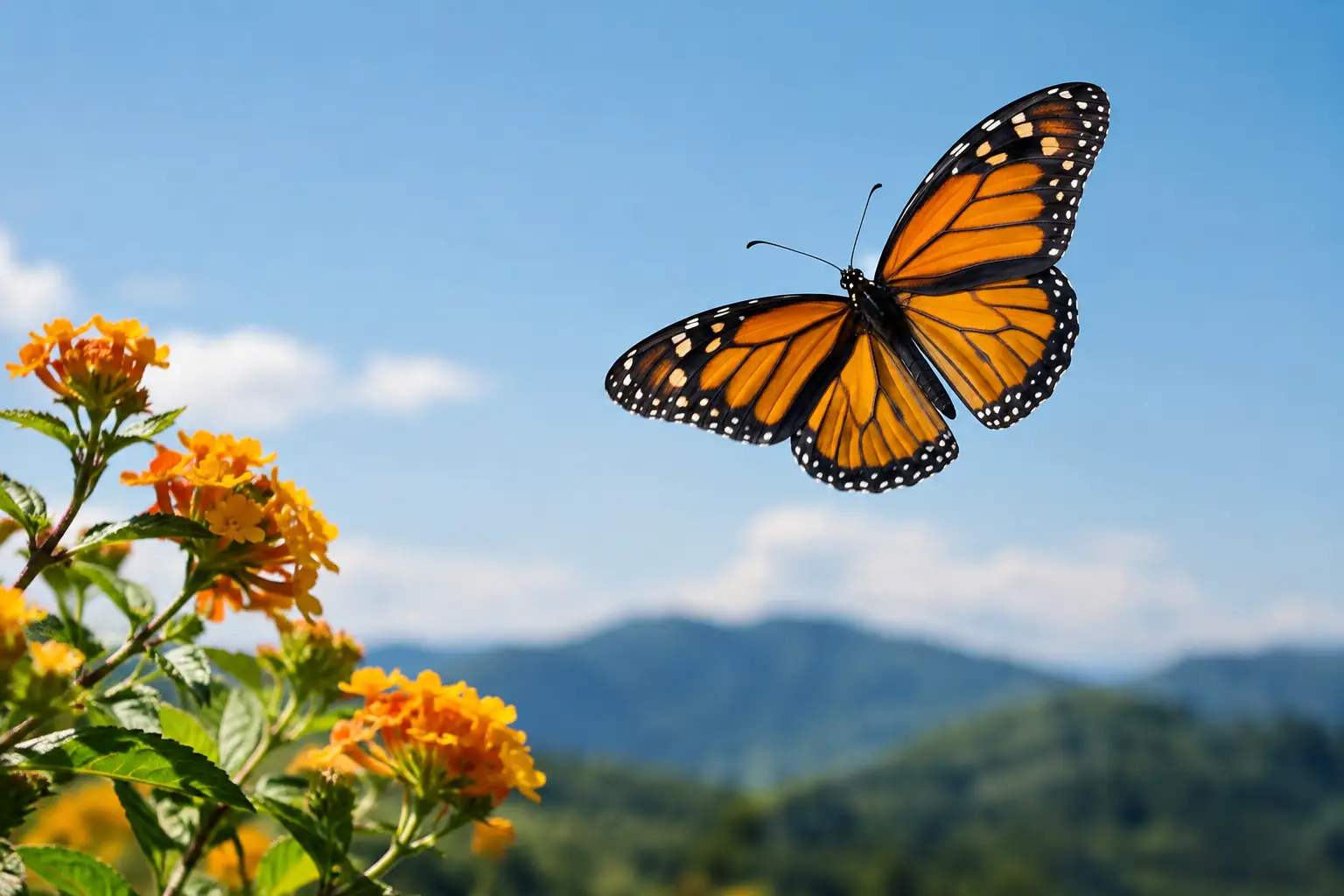
A poem about a butterfly can introduce the idea that insects have six legs. A poem about a spider can gently explain that spiders are not insects at all. A poem about a busy ant can lead to a conversation about teamwork, food, and habitats. The scientific learning is real, but it arrives as part of an adventure.
Rhythm also supports memory. A child may not repeat a definition of camouflage, yet they may remember that a leaf insect is “still as a leaf in the breeze.” Later, when they spot an insect blending into a plant, the idea has a familiar place to land. That is joyful learning at work: a fact connected to an image, a sound, and a shared experience.
Poetry is especially useful for children who are still building confidence with books. They do not need to read every word alone to participate. They can echo the last line, tap the beat, add a buzzing sound, or act out the creature’s movement. A child who is quiet during a longer story may happily whisper, “Flutter, flutter, find a flower.”
How to Choose Science Poems for Young Children
The best poems for preschoolers and early readers use clear images and a small, truthful idea. A poem does not need to explain everything about a praying mantis or dragonfly. In fact, trying to fit every fact into one short verse can make it feel crowded. Choose one discovery: a mantis holding still, a dragonfly zipping near water, or a firefly glowing at dusk.
Simple language matters, but simple does not mean dull. Children enjoy specific words when they can see or imagine what they mean. Words such as antennae, cocoon, pollen, and thorax can be wonderful additions when an adult briefly shows what they describe. Let the poem carry the delight, then let conversation add a little more understanding.
Look for an inviting rhythm rather than forced rhymes. Perfect rhymes can be fun, yet nature does not need to be squeezed into a sing-song pattern. A gentle repeated phrase often works beautifully: “Can you see it? Can you see?” It encourages children to look again and gives the group a line to say together.
It also helps when a poem leaves a little space for a question. Rather than ending with a lesson, try ending with: “Where will the beetle wander next?” A question tells children that observation is ongoing. They do not have to know everything before they can be young scientists.
Keep facts gentle and accurate
Young children deserve trustworthy information, even in playful verses. If a poem says a spider has eight legs, that is a useful fact. If it calls every tiny flying creature a bee, it may create confusion later. Accuracy does not require a formal tone. It simply means naming the creature with care and avoiding claims that are more dramatic than true.
When you are unsure, make the poem about what you can observe. “A moth rests near the porch light” is easy to notice. “This moth is looking for a particular flower” may not be true in that moment. Observations create a strong beginning, and children can explore deeper facts as their interest grows.
A Small Nature-Poem Routine
A poem becomes even more meaningful when it is part of a familiar family or classroom rhythm. Try reading one before going outside, then carry its question with you. Afterward, read it again and ask what children saw, heard, or wondered about.
This routine can take only a few minutes. Bring a notebook, a crayon, or simply your listening ears. Pause near a garden, sidewalk crack, tree trunk, or window box. Many wonderful discoveries are close to home. A child does not need a forest trail to notice an ant carrying a crumb or a housefly rubbing its feet.
Begin with a prompt such as, “What is moving?” Then try, “What colors do you notice?” and “Where might this little creature be going?” There is no need to correct every imaginative answer right away. If a child says a bumble bee is wearing a fuzzy sweater, enjoy the image. You can add, “Its fuzzy body helps it gather pollen, too.”
The Abel & Ruth Children’s Discovery Series builds this kind of shared noticing through nature stories, poems, and creative activities that help children return to their favorite backyard creatures again and again.
Kids Science Poems to Read and Repeat
Here are three short original poems for a walk, circle time, or cozy reading moment. Read them slowly the first time. On the next reading, invite children to add motions or sounds.
The Little Ant
Little ant with tiny toes, Where you travel, no one knows. Past the pebble, round the seed, Strong and busy, on you speed.
Ask children to trace an ant-sized path across their palm with one finger. Then notice together: How does an ant move? What might it carry? This poem opens a gentle conversation about insect legs, strength, and the surprising work happening near our feet.
Firefly’s Lantern
Firefly, firefly, blink so bright, A floating star on summer night. Flash once low and flash once high, A little light goes drifting by.
Cup hands softly as though holding a glowing light, then open them on the word “flash.” If fireflies are part of your local summer evenings, watch from a respectful distance. Children can enjoy their glow without chasing or catching them.
Caterpillar’s Lunch
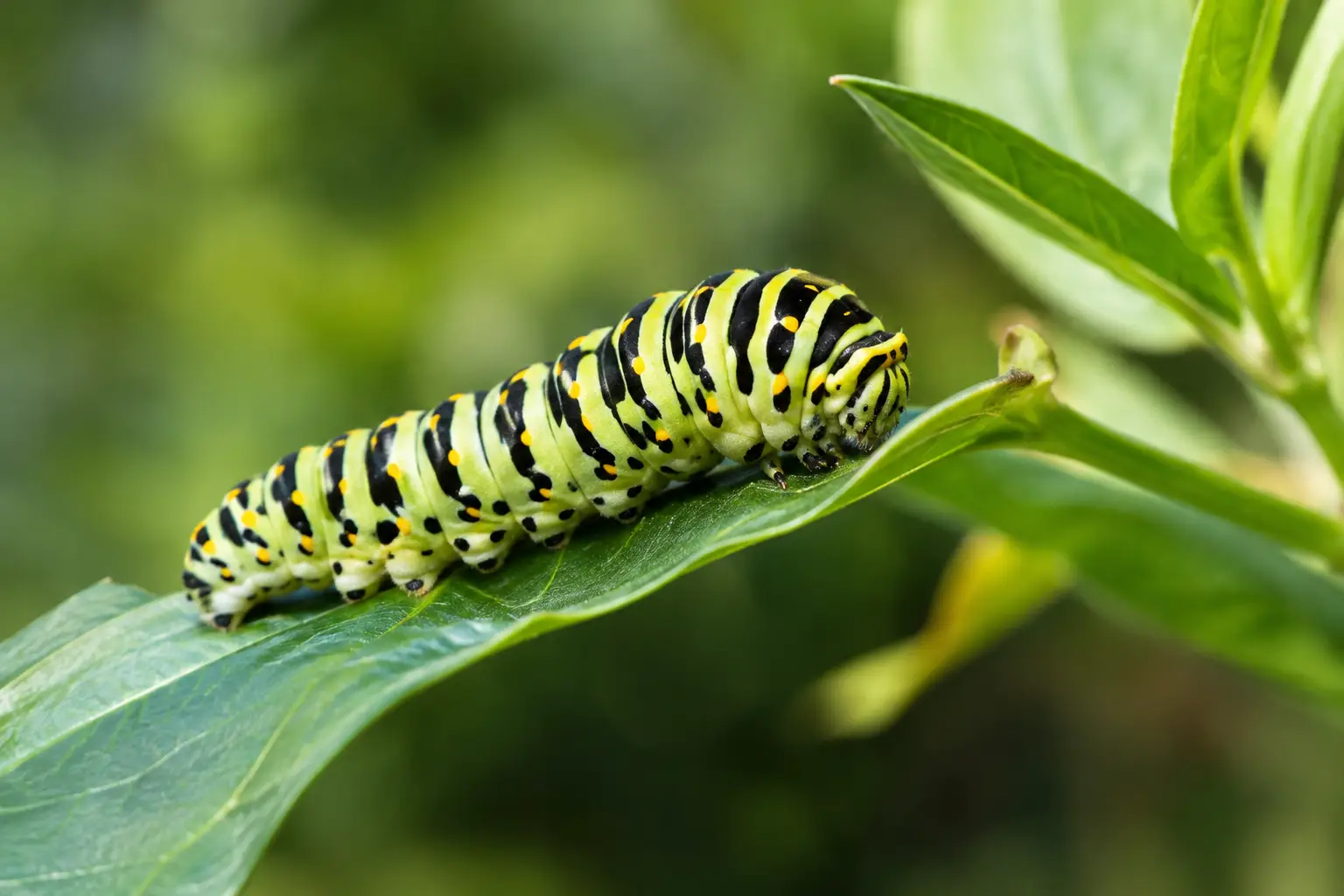
Caterpillar, green and small, Munching on a leafy wall. Nibble here and nibble there, What will you become in air?
Stretch and curl like a caterpillar after reading. The final question is a lovely bridge to the butterfly life cycle. If children are ready, explain that a caterpillar grows, forms a chrysalis or cocoon depending on the creature, and changes into an adult moth or butterfly. If they are not ready for all those details, let the question wait for another day.
Let Children Write the Next Line
You do not need to be a poet to create a science poem with a child. Begin with what is right in front of you. Say, “I see a snail,” and invite them to add a describing word. Perhaps it is a “shiny snail,” a “slow snail,” or a “rainy-day snail.” Follow with a simple action: “It slides along the stone.” Soon you have a poem.
A helpful pattern is to use three small parts: the creature, what it is doing, and one wondering question. “A cricket chirps beneath the chair. Why does its song fill the evening air?” The goal is not a polished performance. It is a moment of paying attention together.
Children may also like to illustrate their verse. Offer paper and crayons after an outdoor walk, then ask them to draw the animal’s home, food, or movement. Their picture may reveal what they noticed most. One child may fill the page with flower petals for a bee; another may draw a single long trail behind a snail. Both are valuable observations.
When a Poem Is Better Than Another Fact
There are times for nonfiction books, labeled diagrams, and clear answers. Children benefit from those tools as their questions become bigger. But when a child is tired, wiggly, hesitant to read, or simply enchanted by a fluttering wing, a poem may be the better invitation.
It slows the moment down. It says that wonder is worth hearing twice. It gives siblings, classmates, and caregivers a way to join in even when they are different ages. One child can chant the rhyme while another searches for six tiny insect legs.
The next time something small crawls, hops, glows, or flutters nearby, pause before moving on. Listen for a line of poetry in the moment. A few warm words, shared under an open sky, can help a child carry nature’s questions home.