A child spots a tiny beetle under a flowerpot, then asks where it sleeps, what it eats, and whether it has a family. That little burst of curiosity is the perfect beginning for screen free learning activities. You do not need a packed schedule, special equipment, or a lesson plan with all the answers. A book, a pencil, a patch of sunlight, and a grown-up willing to wonder alongside them can turn an ordinary afternoon into a joyful learning adventure.
For young children, screen-free time is not about making technology the villain. It is about making room for different kinds of attention: noticing, imagining, moving, creating, and talking together. The best activities leave space for a child to lead the next question.
12 Screen Free Learning Activities to Try Together
1. Take a tiny nature walk
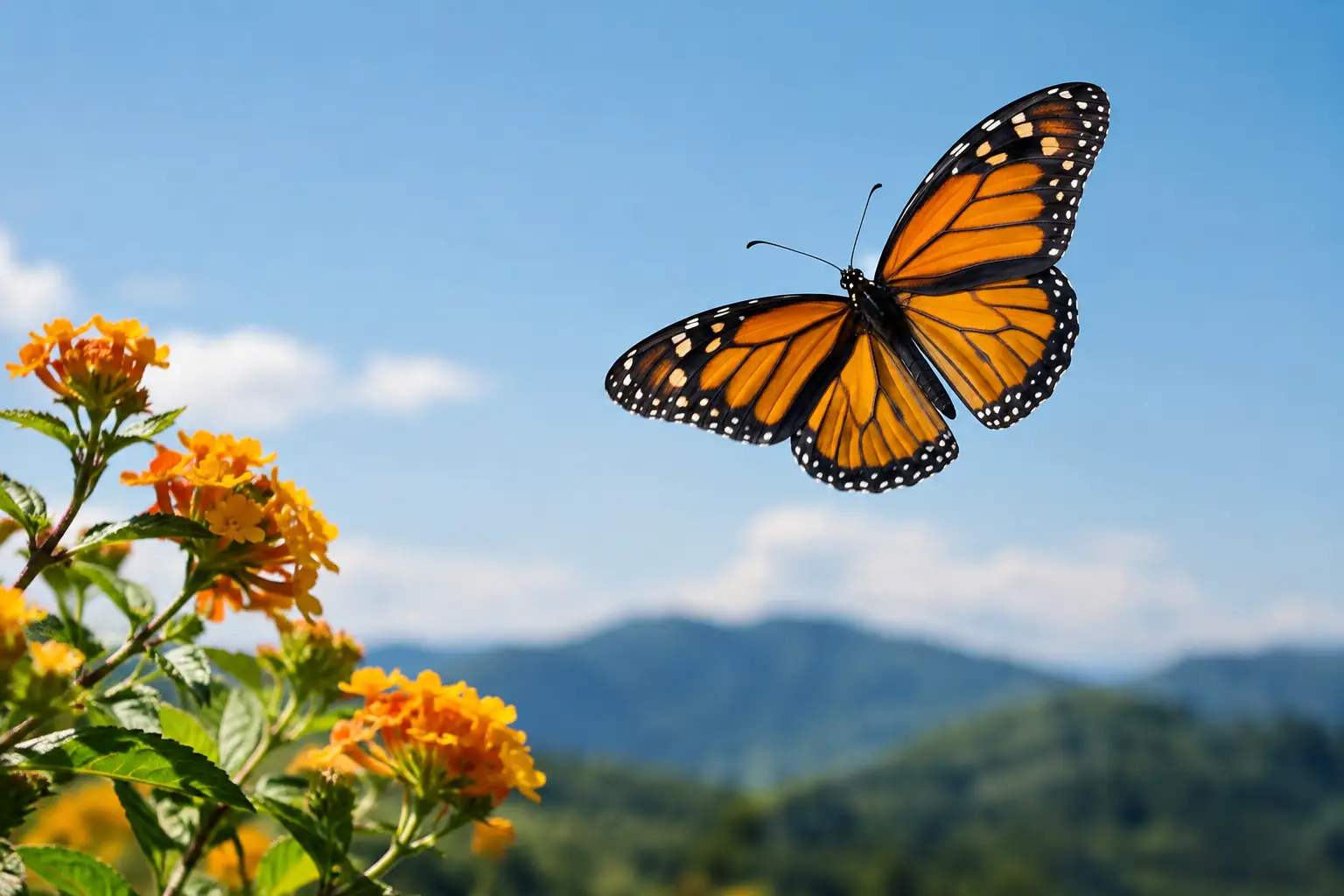
Choose a small area: the front steps, a backyard, a sidewalk tree, or a corner of the playground. Invite your child to look for three things that move, three things that grow, and three things that feel interesting. A fluttering butterfly, a trail of ants, or a smooth pebble can all become discoveries.
Keep the walk slow. The goal is not to cover distance but to notice. If your child wants to stop and watch one busy insect for five minutes, that is the activity working beautifully.
2. Read a story, then follow its question outdoors
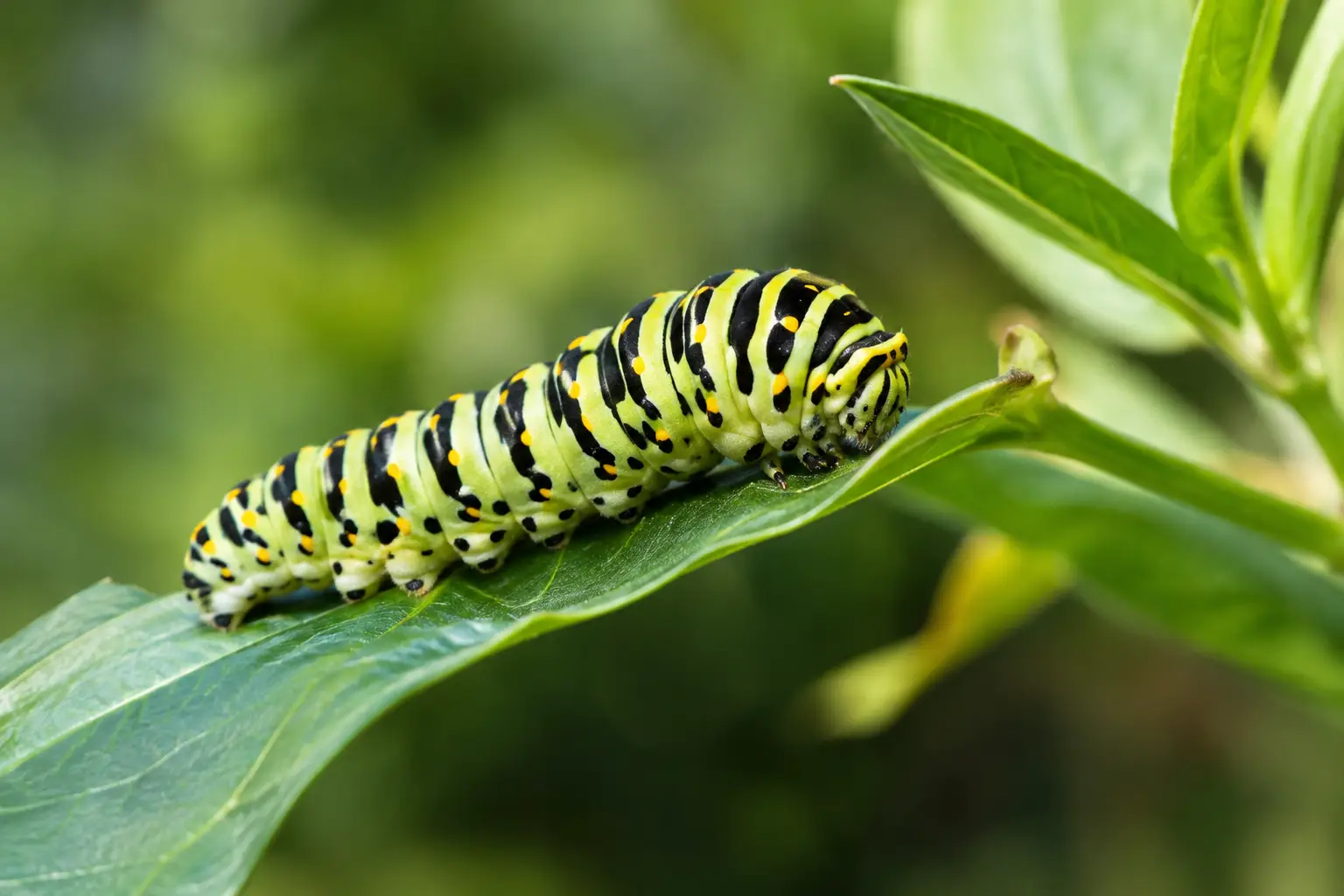
Picture books give children language for what they see. After reading a story about a caterpillar, bee, spider, or ladybug, ask one simple question: “Could we find something from this story outside?” You might not find the exact creature, and that is perfectly fine. Perhaps you find a chewed leaf, a flower that may offer nectar, or a web shining in the morning light.
This gentle bridge between reading and real life helps stories stay with children. The nature adventures in the Abel & Ruth Children’s Discovery Series are especially suited to this kind of read-and-notice rhythm, where a colorful page can inspire a real-world question.
3. Make a backyard observation journal
Fold a few sheets of paper in half and staple them into a small notebook. Let your child decorate the cover and name it something grand, such as “My Amazing Bug Book” or “The Garden Detective Journal.” Each time they see something outdoors, they can draw it, dictate a sentence for you to write, or add a few invented details.
For beginning writers, do not worry about spelling every word correctly. If a child writes “butrfli,” they are connecting sounds, letters, and meaning. You can write the conventional spelling beneath it if they want to compare. The journal should feel like a treasure chest of observations, not a worksheet.
4. Sort a collection from nature
Gather a few fallen leaves, seed pods, small stones, or pinecones. Avoid picking flowers or taking living creatures home. On a tray or towel, ask your child how they might sort the collection. By color? Size? Shape? Smooth and rough? Things that roll and things that do not?
Sorting builds early math and science habits because children learn to look for patterns. There is no single correct system. When a child decides that two objects belong together because they “look like dragon wings,” ask them to explain. Their reasoning matters more than your category.
5. Create an insect movement game
Children learn with their whole bodies. Call out an insect and invite everyone to move like it. Crawl steadily like an ant carrying crumbs. Flutter lightly like a butterfly. Hop like a grasshopper. Freeze very still like a praying mantis waiting among the leaves.
Add a listening challenge by changing the speed or volume of your voice. This playful game supports balance, coordination, vocabulary, and self-control, while also giving energetic bodies a welcome chance to move.
6. Build a pretend habitat
A cardboard box, a few clean natural materials, and recycled paper can become a home for a make-believe insect. Ask your child what their creature needs: a shady hiding place, a leaf to rest on, a puddle for water, or flowers nearby. They may choose to make a cozy home for a ladybug or invent a brand-new creature with striped wings.
Use the activity to introduce a gentle distinction between pretend play and real wildlife. Real insects belong outdoors, where they can find the food, shelter, and conditions they need. A pretend habitat lets children explore those needs creatively without disturbing living things.
7. Try a five-minute listening sit
Bring a blanket outside or sit by an open window. Set a short timer, then listen together. What can you hear? Birds calling, leaves rustling, a dog barking far away, a buzzing fly, a lawn mower, or your own breath?
Afterward, take turns sharing one sound you noticed. This is a quiet activity, but it does not require children to sit perfectly still or be silent for long. The purpose is simply to practice attention. For children who find five minutes too long, begin with one minute and grow from there.
8. Make nature art with found shapes
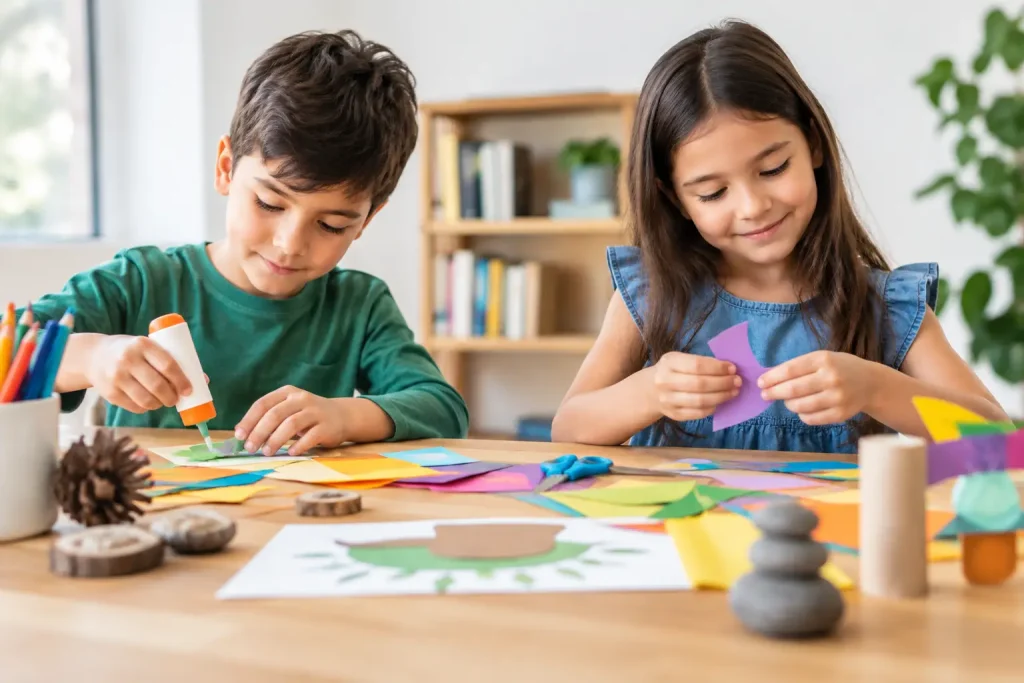
Use crayons, paper, child-safe glue, and objects that have already fallen to the ground. Leaves can become butterfly wings. Small twigs can form an ant trail. A rounded stone can become the body of a friendly beetle. Children may also enjoy leaf rubbings: place a leaf under thin paper and gently color over it with the side of a crayon.
Art gives children another way to remember what they noticed. Resist the urge to make every insect anatomically correct. A six-legged purple bug with polka-dot wings may be the beginning of a wonderful story.
9. Set up a simple shadow investigation
On a sunny day, trace the shadow of a toy, plant pot, or child standing on the sidewalk with chalk. Return later and trace it again. Has the shadow moved? Is it longer or shorter? What do they think changed?
This activity invites early scientific thinking without needing a formal explanation. You can say that sunlight comes from a different place in the sky as the day goes on. If children want more, try tracing at morning, noon, and late afternoon. If they only want to trace their hand and turn it into a monster, that is learning, too.
10. Cook or prepare a nature-inspired snack
A snack can become a chance to practice counting, sequencing, and fine-motor skills. Arrange fruit slices into a caterpillar shape, count raisins into small cups, or make a flower shape with colorful vegetables. Talk about which foods come from plants and which parts of the plant you are eating.
Keep the conversation light. “Do you think this strawberry was once a flower?” is more inviting than turning lunch into a quiz. Always choose foods that are safe for your child and fit your family’s dietary needs.
11. Tell a “what happened next?” story
Start with a simple opening: “One morning, a little ant found a crumb bigger than its head.” Then pause. What happened next? Let your child direct the adventure while you write down their words or take turns adding a sentence aloud.
Storytelling strengthens vocabulary, memory, and confidence. It also gives children permission to test ideas through imagination. Their ant may ask a snail for help, cross a puddle in a leaf boat, or bring the crumb home for a very surprising picnic.
12. Care for one small outdoor space
Choose a simple family responsibility, such as watering a plant, refilling a birdbath with an adult, checking the garden for fallen litter, or noticing which flowers attract visitors. Return to the same place over several days. What is different? What looks the same? Who came to visit?
Repeated observation is where many meaningful discoveries begin. A child may notice that buds open slowly, that rain changes the soil, or that the same bee returns to a favorite flower. These small patterns help nature feel familiar and worthy of care.
Let Curiosity Set the Pace
Screen free learning activities work best when they fit the child in front of you. Some children want to run, collect, and build. Others would rather sit with a book, draw a spiderweb, or tell a long story about a firefly. A rainy day may call for paper, crayons, songs, and pretend insect movements. A sunny day may invite a slow walk and muddy hands.
You also do not need to turn every moment into a teaching moment. Sometimes a child simply needs the pleasure of lying in the grass, watching clouds, and knowing a caring adult is nearby. Questions can come later.
Try choosing just one activity this week and repeating it once or twice. Put the observation journal by the door, keep crayons within reach, or begin a family habit of asking, “What did you notice today?” A small shared ritual can help children see that the world is full of living stories, waiting patiently to be discovered.