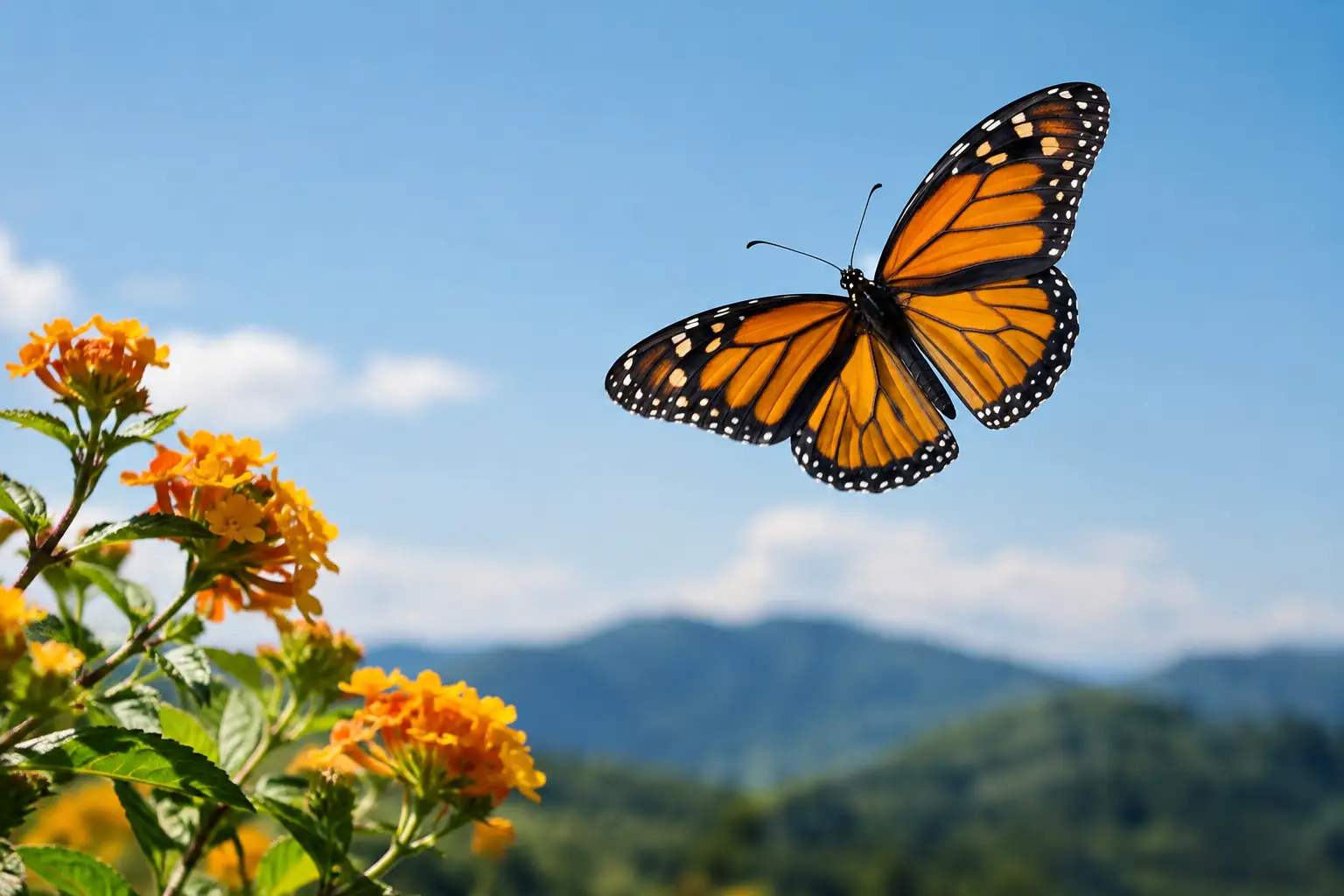
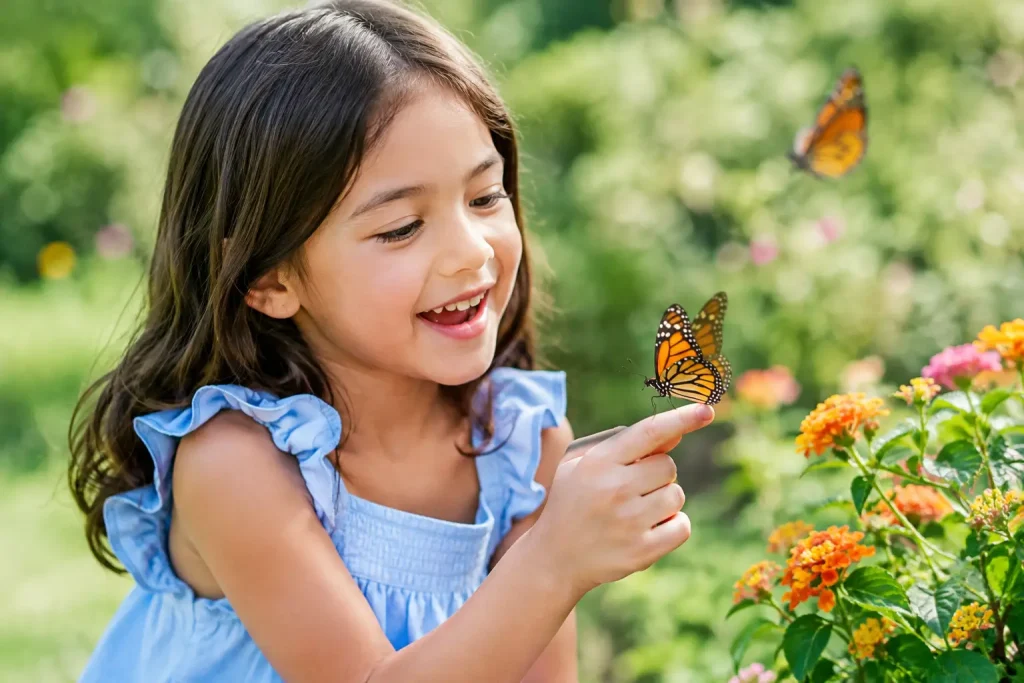
A butterfly resting on a flower can stop a busy morning in its tracks. A child notices the bright wings, asks where it came from, and suddenly a small backyard visitor has become a wonderful question. Songs about butterflies for kids give that curiosity a rhythm children can remember, whether you are gathering on the rug, walking through a garden, or sharing a quiet moment after reading together.
Music is especially lovely for young learners because it invites the whole body into the discovery. Children can curl like an egg, wiggle like a caterpillar, tuck into a chrysalis, then open their arms into wings. There is no need to perform perfectly. The happiest butterfly songs leave room for giggles, made-up motions, and a child’s own ideas.
10 Songs About Butterflies for Kids to Try
These simple, original song starters use familiar, repeatable rhythms. Sing them slowly the first time, then let children help choose the actions, tempo, or next verse. A repeated line is a gift for beginning singers: once they know it, they can join in with confidence.
1. Little Egg on a Leaf
Begin with the very first stage of the butterfly’s life. Invite children to pinch their fingers together to make a tiny egg.
Little egg, little egg, safe on a leaf, Waiting for sunshine, waiting beneath. What will you be? We will wait and see, Little egg, little egg, grow gently.
This is a calm choice for circle time or winding down after active play. Ask children what they think an egg needs to stay safe. Their answers may lead to a gentle conversation about leaves, weather, and being careful around small living things.
2. Wiggly Caterpillar
Now let the room wake up. Children can crouch low and inch across the floor or wiggle one finger along an arm.
Wiggle, wiggle, caterpillar, munching all day, Leaf by leaf, you grow your way. Wiggle, wiggle, near and far, Growing bigger than you are.
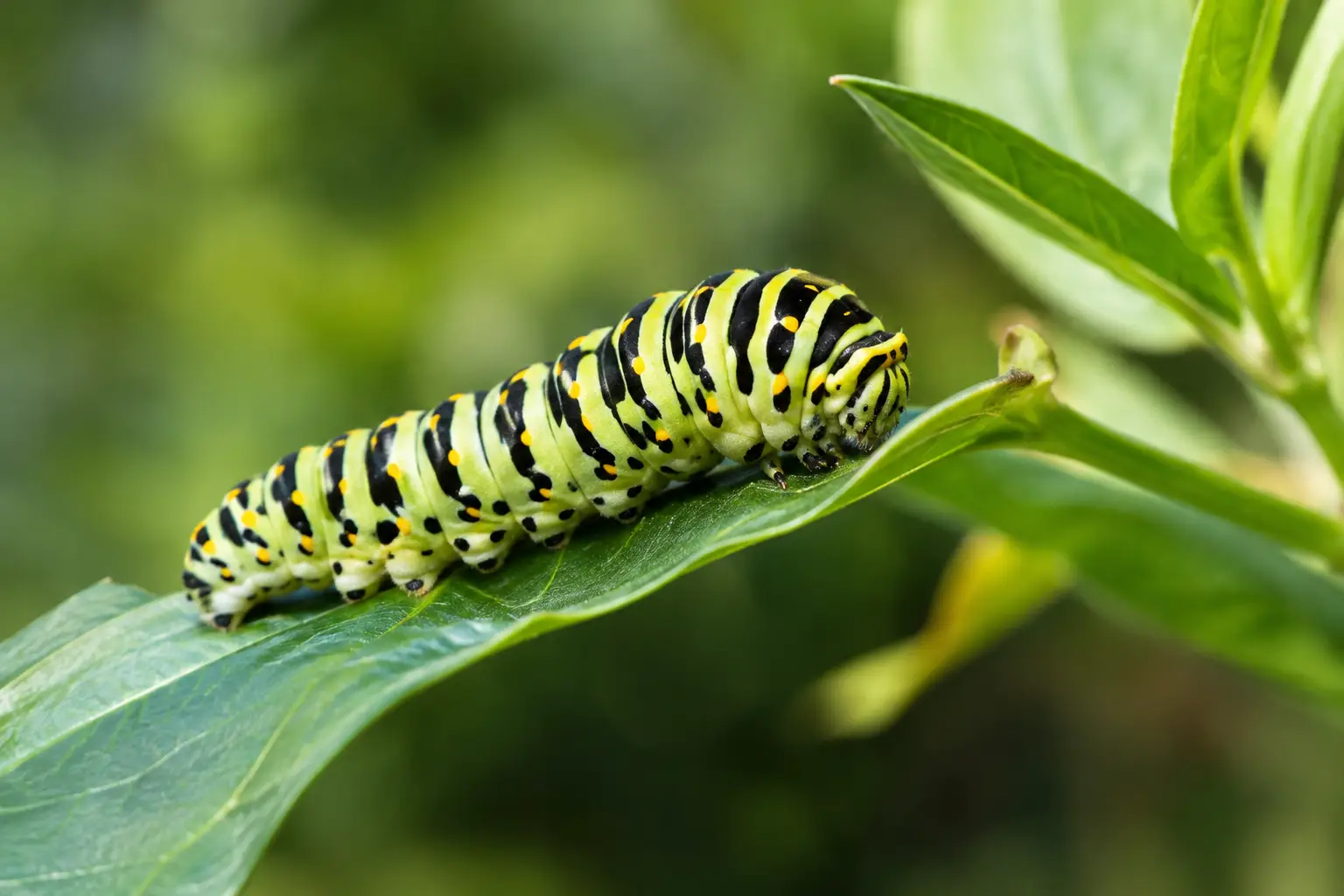
This song opens a useful observation: caterpillars are the larval stage of butterflies, and many kinds eat particular host plants. You do not need a long lesson. Simply notice together that a caterpillar’s favorite leaf may be part of its home.
3. Crunchy Leaf Lunch
A playful food song helps children connect caterpillars with what they see outside. Clap softly on the word “crunch.”
Crunch, crunch, crunchy leaf, Tiny bites from underneath. Eat and grow, then rest someday, Butterfly dreams are on the way.
If you use this song after a nature walk, let children name the leaf shapes they noticed. It is fine if they do not know the tree or plant names. Careful looking comes before knowing every label.
4. Chrysalis Quiet
Butterflies form a chrysalis, not a cocoon. That small distinction can be shared in a friendly, matter-of-fact way: moth caterpillars often spin cocoons, while a butterfly caterpillar changes inside a chrysalis. Have children hug their knees and become very still.
Hush, hush, chrysalis, Something wonderful grows in this. Resting, changing, tucked away, Wings will greet another day.
Some children may find stillness challenging, and that is perfectly normal. Try making this a ten-second “quiet cocoon” first, then gradually make it longer if the group enjoys the game.
5. Open Your Wings
The big reveal deserves a soaring chorus. Start curled small, then rise slowly and stretch wide.
Open your wings, one, two, three, Float on the breeze so light and free. Open your wings, bright in the sun, Look at the growing you have done.
This song can also support social-emotional language. Growing can feel exciting, surprising, or a little bit scary. Children may connect the butterfly’s change with learning to try something new themselves.
6. Flutter to the Flowers
Butterflies visit flowers for nectar, and this song invites children to travel around the room. Place paper flowers on the floor, or simply point to imaginary blossoms.
Flutter to the red flower, flutter to the blue, Find a spot of nectar waiting just for you. Flutter, pause, sip so sweet, Garden friends are fun to meet.
Use color words that fit your space, and let a child be the flower caller. For a quieter version, children can flutter their hands while seated and point to colors around the room.
7. Butterfly Weather
Not every butterfly day is sunny. This song helps children notice the conditions that shape outdoor life.
Warm sun, gentle breeze, Butterflies dance above the trees. Cool rain, cloudy sky, Maybe they rest somewhere dry.
The word “maybe” matters here. Nature does not always follow a script, and that is part of the adventure. Look out the window together and wonder what insects might be doing in that weather.
8. Spot the Symmetry
A butterfly’s wings make a beautiful invitation to explore patterns. Fold a paper butterfly down the middle or hold up a picture as you sing.
Left wing, right wing, colors in a row, Matching little patterns wherever butterflies go. Dot and stripe, line and swirl, Nature makes a pattern world.
Real wings are not always perfectly identical, so avoid turning this into a right-or-wrong test. The goal is to notice shapes, colors, and the lovely idea of two sides that look similar.
9. Gentle Garden Helper
This is a caring song for before or after outdoor time. It reminds young explorers that looking closely does not mean touching every creature.
Look with gentle eyes, walk with gentle feet, Leave the flowers standing tall and sweet. Butterfly, butterfly, you belong here too, We share this little garden with you.
Children often respond warmly when they are trusted with a real job. They can be “garden helpers” who stay on paths, avoid picking host plants, and watch butterflies from a respectful distance.
10. Goodnight, Butterfly
End the sequence with a soft song that brings the day’s discoveries together. Sway side to side or make slow wing motions with scarves.
Goodnight, butterfly, fold your wings tight, Thank you for the colors you shared in the light. Tomorrow we will look by the flower and tree, And wonder what new friend we might see.
This makes a sweet closing song for preschool, a library story hour, or bedtime after a day outside. It also gives children a gentle reason to return to the same patch of nature tomorrow.
Helping Children Make Butterfly Songs Their Own
The best songs about butterflies for kids do not need instruments, recordings, or a planned lesson. A steady clap, a kitchen spoon tapped against a plastic bowl, or a soft hum can be enough. If a child prefers listening at first, let them hold a paper butterfly or choose the next motion. Participation has many shapes.
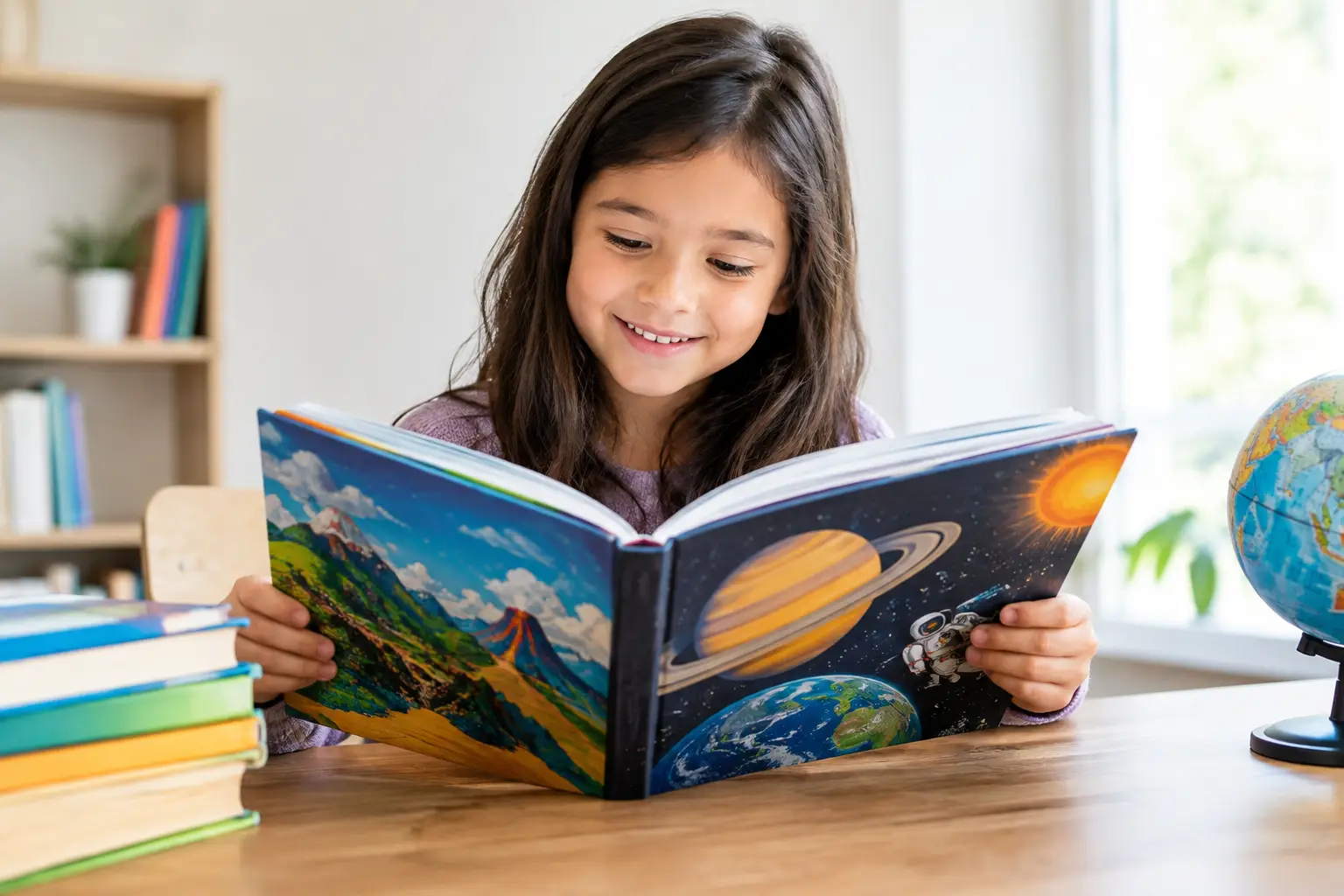
For families, try pairing one song with one small activity. After “Spot the Symmetry,” fold-paint a paper butterfly. After “Flutter to the Flowers,” draw a garden filled with nectar plants. After “Chrysalis Quiet,” read a butterfly story and talk about the changes Abel and Ruth might notice on an outdoor adventure. The Children’s Discovery Series uses this kind of learn, play, and create rhythm because a small idea often stays with children when they can sing it, move it, and make something from it.
Educators can return to the same chorus across several days. On the first day, focus on movement. On the next, add a picture book or butterfly photo. Later, invite children to invent a verse: What color wings did they see? Where did their pretend butterfly fly? Repetition offers comfort, while new verses keep the experience fresh.
A Small Note for Backyard Butterfly Watching
A butterfly garden does not have to be large or perfectly planned to be meaningful. A planter, a schoolyard border, or a sunny patch near a few flowers can become a place to pause and notice. If you find a caterpillar, resist the urge to bring it indoors unless you know its host plant and how to care for it. Watching briefly where it lives is often the kindest choice.
Keep a song ready for the next time small wings pass by. A child may not remember every stage of metamorphosis right away, but they may remember the feeling of standing quietly together, singing softly, and waiting for a butterfly to flutter near.