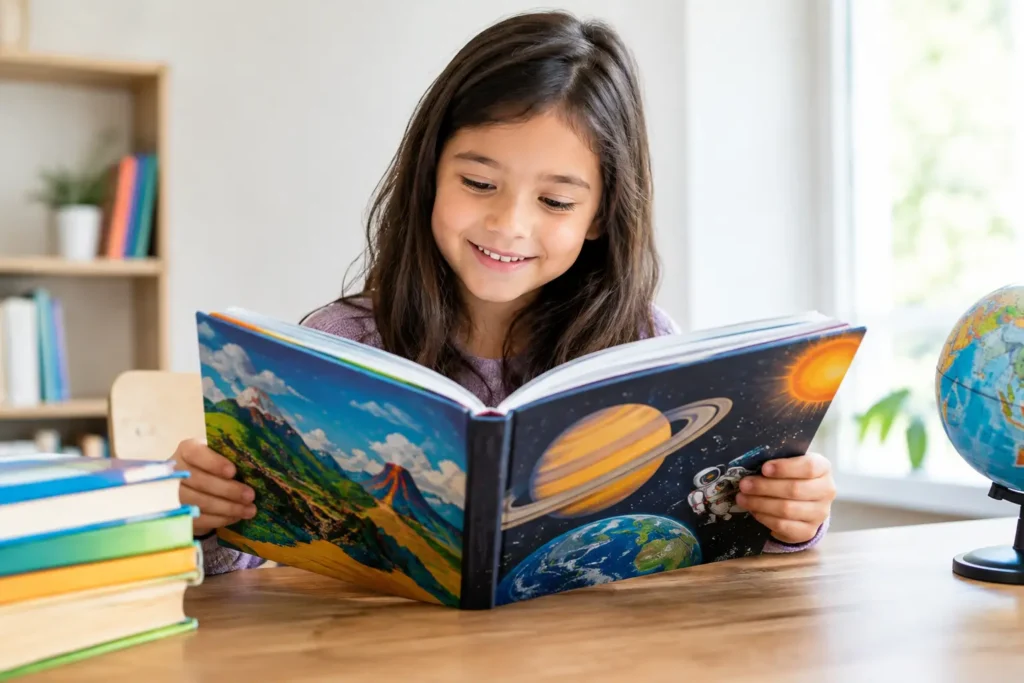
A child spots a ladybug on the porch railing and suddenly the whole day changes. Where is it going? Does it have a family? Why are its spots different from another ladybug nearby? A good story can hold that small, bright moment a little longer. That is why science storybooks children enjoy are more than books about facts. They give young readers a friendly way to notice, wonder, and return to the living world just outside the door.
For parents, caregivers, and educators, the real gift is not a child reciting insect vocabulary on command. It is hearing, “Can we look for another one?” after the last page is turned. When science arrives through a warm story, it feels like an invitation to explore together.
What Science Storybooks Give Children
Young children are natural observers. They notice the caterpillar inching along a leaf, the sound of a cricket after sunset, and the mysterious flash of a firefly in the yard. Yet a child can see something amazing and still need help finding words for it. Storybooks offer those words in a setting that feels safe, playful, and memorable.
A picture book can introduce the idea that a butterfly begins life as a caterpillar without making the child feel as if they are sitting through a lesson. It can show that ants cooperate, that bees visit flowers, or that a praying mantis has a very unusual way of moving through the garden. The science is there, but it travels alongside character, color, surprise, and feeling.
This matters because young readers learn through connection. A list of insect parts may be useful later, but a child is more likely to remember what they have felt curious about. If a story makes them smile at a busy bee or sympathize with a tiny spider looking for a place to build a web, the details have somewhere to stay.
Stories make room for questions
The best early science reading does not try to answer every question before a child can ask it. Instead, it leaves little openings. Why does the dragonfly hover? Where might the stick insect hide? What do you think the bumble bee is carrying home?
There is no need to rush toward the correct answer. A pause, a guess, or a closer look is often the learning moment. Adults can say, “Let’s notice,” and allow the child to lead the next part of the conversation. That gentle approach builds confidence as well as curiosity.
Pictures help children see more closely
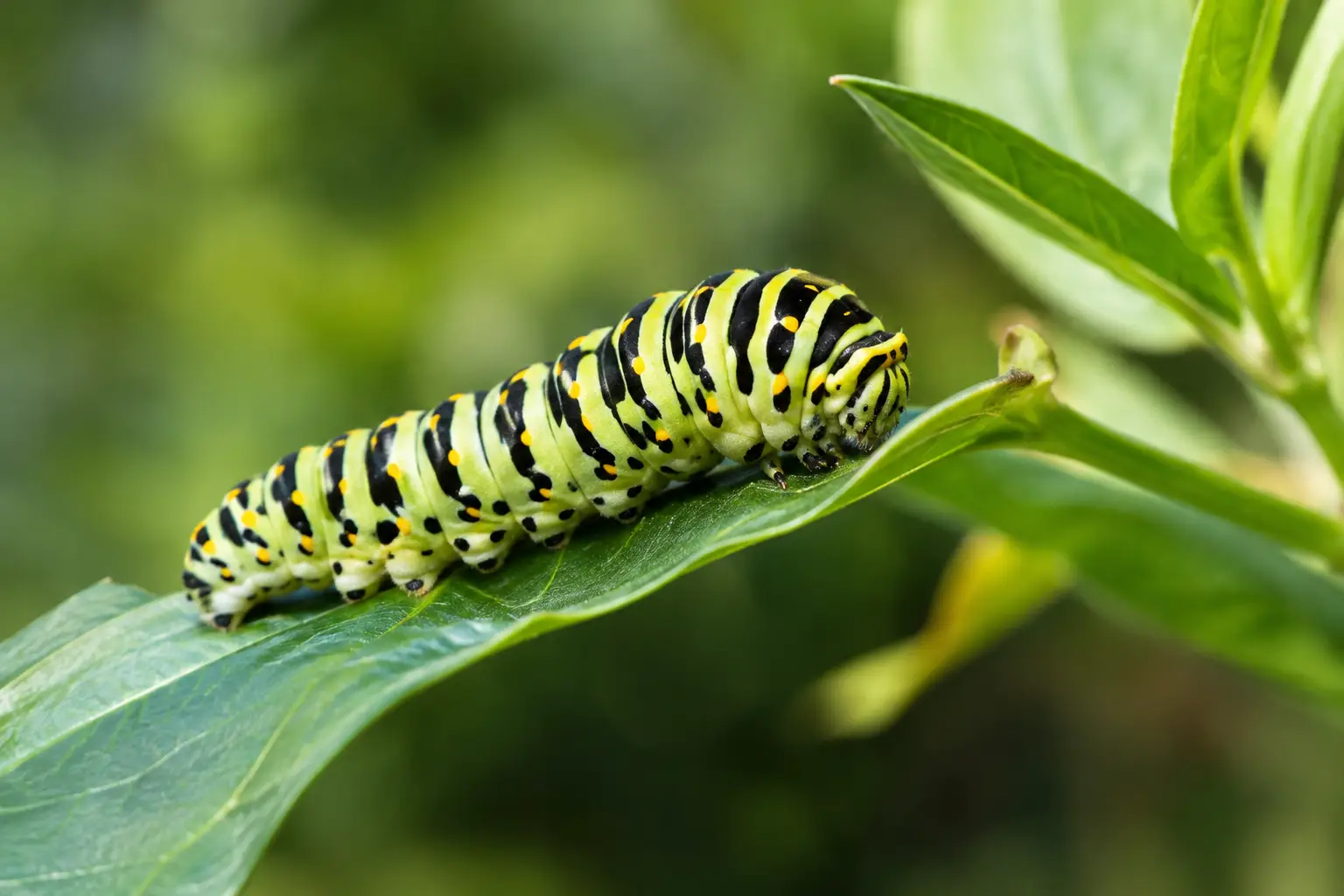
Illustrations can slow a busy world down. A large, colorful image of a rhinoceros beetle lets a child notice its horn, legs, and shiny body before they ever encounter one outdoors. A page showing a caterpillar on a leaf can help a young reader recognize the real thing on a walk later.
Of course, illustrations are not the same as observing a living creature. A book cannot replace the rustle of leaves or the thrill of seeing a butterfly land nearby. But it can prepare children to recognize those moments and make them feel meaningful. The story becomes a bridge between the cozy reading corner and the backyard.
Choosing Science Storybooks for Children
Not every book labeled educational will suit every child. Some children love detailed facts and careful diagrams. Others need a character or an adventure before they want to know why a mosquito buzzes or how a grasshopper jumps. Neither preference is better. The right choice depends on age, attention span, interests, and the way your child likes to learn.
For picture-book and beginning-reader stages, look for clear language that respects a child’s intelligence without crowding the page. The strongest books introduce a few memorable ideas rather than trying to cover an entire field of science at once. A story about a single insect can be wonderfully rich when it gives children time to observe its habits, habitat, and place in nature.
It also helps when the tone is gentle. Many insects are unfamiliar, and some children are cautious around them. A book can encourage respect without insisting that every child must hold a beetle or welcome a spider indoors. Wonder grows best when children feel secure enough to be curious at their own pace.
Stories with diverse details can also invite repeat reading. On the first read, a child may follow the adventure. On the next, they may notice the flowers in the background or remember a new word. This is one reason nature books make such lovely birthday, Christmas, or just-because gifts: they can grow with a child over many quiet afternoons.
Turn One Reading Into a Small Adventure
A science storybook becomes especially memorable when it has a little life beyond the page. This does not require complicated supplies, perfect weather, or a carefully planned lesson. A few minutes of shared attention can be enough.
After reading about ants, take a slow look around a sidewalk, garden edge, or park path. You may not find an ant trail immediately, and that is fine. The goal is to practice looking. Ask your child what they notice first: tiny holes in the soil, crumbs near a bench, a line of moving bodies, or something else entirely.
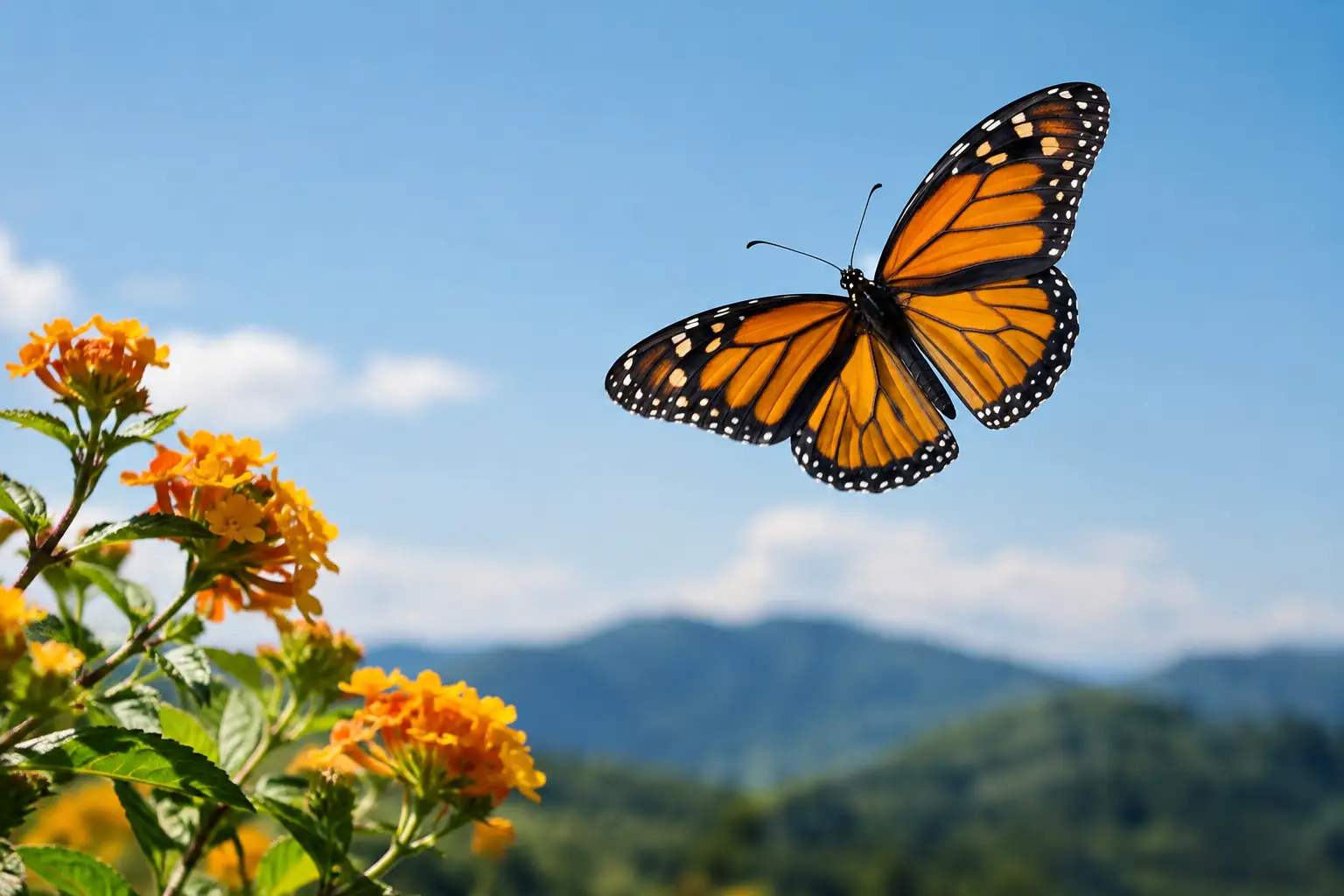
After a book about butterflies or moths, invite your child to draw a wing pattern they would like to see in nature. They can use crayons, torn paper, or paint. As they create, you might talk about patterns that help creatures blend into leaves, flowers, bark, or shadows. Art gives children another way to make sense of what they have seen.
A simple “nature notebook” can also become a family favorite. It does not need ruled pages or correct spelling. Let children add scribbles, pictures, stickers, and their own names for interesting discoveries. “Sparkle bug near the fence” is a perfectly wonderful entry. You can add the scientific name later, if it helps, but a child’s first words of wonder deserve a place too.
For classrooms, daycare groups, and homeschool settings, return to the same topic more than once. Read a story on Monday, sing or recite a short insect-themed rhyme on another day, then invite children to act out how a caterpillar crawls or how a dragonfly zips through the air. Repetition is not boring when each return offers a new way to play.
Let Nature Be the Next Chapter
One quiet strength of story-led science is that it does not demand an immediate result. You may read about fireflies and not see one that evening. You may search for a leaf insect and find only leaves. That is not a failed activity. It teaches children that nature has its own rhythms, and that paying attention is worthwhile even when the hoped-for creature remains hidden.
When you do find something, try to keep the encounter kind. Watch insects where they are whenever possible. Avoid pulling apart a habitat, trapping a creature for too long, or treating small animals as toys. Children learn respect through the example adults set: soft voices, gentle hands, and a willingness to leave a creature safely in its home.
Abel & Ruth Children’s Discovery Series was created around this kind of joyful learning, where insect discoveries become stories children can carry from the page to the garden. Whether you are reading about busy bees, crickets, caterpillars, or the surprising lives of spiders, the goal is not to make childhood more academic. It is to make room for attention, imagination, and shared time.
A Book Can Begin a Family Tradition
The most lasting reading rituals are often very small. Perhaps your child chooses one nature story before bed each week. Perhaps Saturday walks include a “what did we notice?” question on the way home. Perhaps grandparents keep a basket of bug and garden books ready for visits.
These moments tell children that their questions are welcome. They learn that the outdoors is not a distant subject reserved for experts. It is full of neighbors with wings, legs, colors, and fascinating habits, waiting to be noticed.
The next time a child points to a tiny creature on the path, resist the urge to hurry past. Crouch down together, look closely, and let the question linger. A story may have started the wonder, but the world outside is ready to keep it going.